In Week 07 of Experimental 3D Computer Animation, Professor Serra Özdemir introduced me to Reality Scan and point cloud-based 3D reconstruction techniques. The session focused on how real-world objects can be captured using mobile footage and converted into digital 3D models through photogrammetry workflows inside Epic Games tools.
Step 1: Installing the Reality Scan
Serra demonstrated how RealityScan works as an AI-assisted scanning application that reconstructs objects using multiple images and camera angles. The process relies on capturing an object from a full 360-degree rotation to ensure accurate spatial data. I learned how both top-down and bottom-up coverage is important to avoid missing geometry during reconstruction.
Step 2: Recording the object
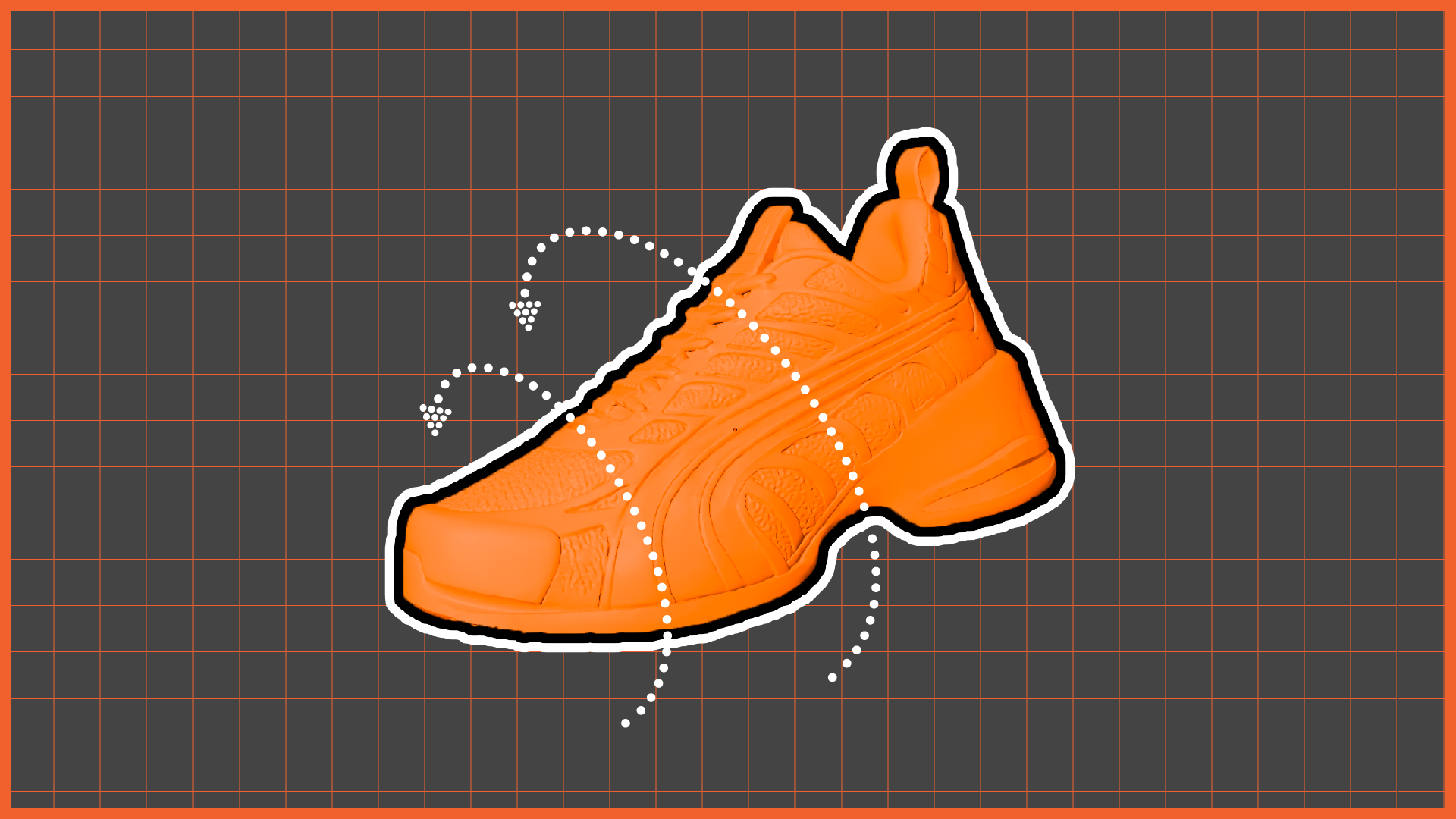
I selected my Shoe as the object and recorded a full 360-degree video scan using my mobile phone. I focused on capturing consistent lighting and multiple angles to support accurate reconstruction. After recording, I imported the footage into RealityScan, where the software automatically extracted image frames and generated camera positions based on the recorded motion.
Step 3: Importing the Reference
Serra guided the process of converting the scan into a mesh. After importing the data, I generated a rough point cloud model, which reconstructed the basic structure of the object. I noticed that surrounding elements such as the surface beneath the object were also captured, which required manual cleanup to isolate the main subject. After refining the scan, I converted it into a mesh and prepared it for export.
I exported the model into Unreal Engine as a point cloud asset and explored its settings, including density, scale, and point visibility. I experimented with how these parameters affected the visual quality and readability of the scanned object. However, I was unable to animate the transition from low density to high density within Unreal Engine.
To solve this limitation, I imported the asset into Blender, where I developed a short animation sequence showing the object emerging from a point cloud into a fully formed model. This helped me understand how scanned data can be integrated into a narrative animation pipeline and expanded my knowledge of photogrammetry workflows, point cloud visualization, and cross-software animation techniques.