

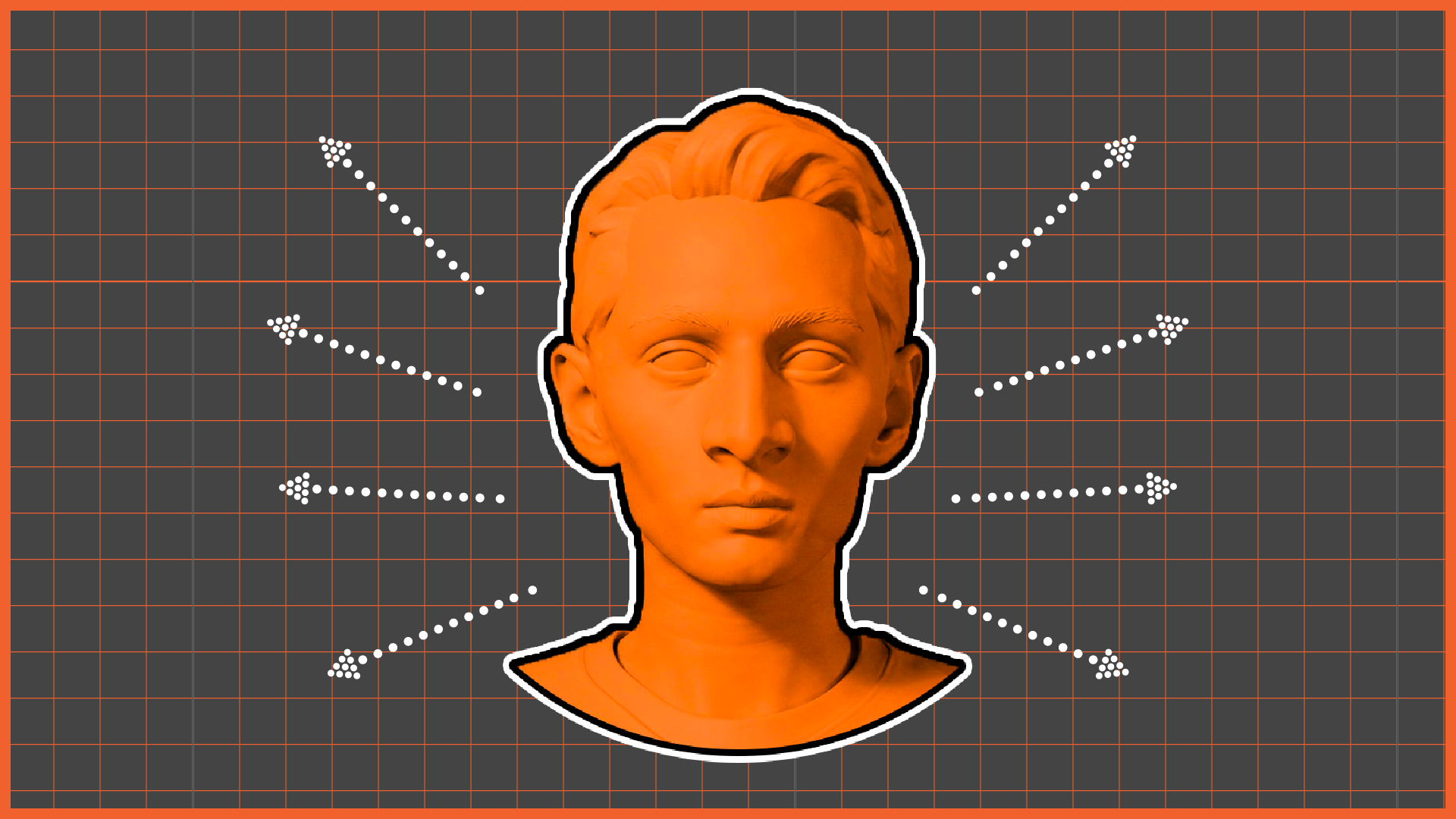
In Week 01 of Experimental 3D Computer Animation, Professor Serra Özdemir introduced me to MetaHuman creation inside Unreal Engine and how digital humans are developed for real-time animation workflows. The session focused on understanding how MetaHumans function, how they are generated, and how they are becoming increasingly important within contemporary animation, virtual production, games, and digital storytelling.
Step 1: Understanding the digital Avatars
Serra first explained the history and development of digital avatars, discussing how virtual characters have evolved from simple game representations into highly realistic digital humans. I studied how MetaHumans allow artists to create believable characters without building every facial feature manually. The session also explored how digital avatars are being used across animation, film, games, and virtual production environments.
Step 2: Installing Live Link Face Plugin
A major part of the workshop focused on the Live Link Face application. Serra demonstrated how facial performances can be recorded using a mobile device and transferred directly into Unreal Engine. Instead of animating every facial movement by hand, the application captures expressions, eye movements, mouth shapes, and head motion from recorded footage and applies them to a MetaHuman character.
I recorded my own facial performance using the Live Link Face application. After importing the footage into Unreal Engine, I generated a MetaHuman based on my facial structure. The resulting character looked similar to me and functioned as a digital avatar of my own appearance. I then experimented with several customization options, adjusting facial features and exploring the available presets. Although I was unable to find a hairstyle that closely matched my own, I was able to create a convincing digital representation.
The session helped me understand the relationship between performance capture and digital character creation. I found it particularly interesting how quickly realistic avatars can now be developed compared to traditional character pipelines. This workshop provided a strong foundation for future work involving digital humans, facial performance, and real-time animation inside Unreal Engine.
Step 3: Rendering the Output