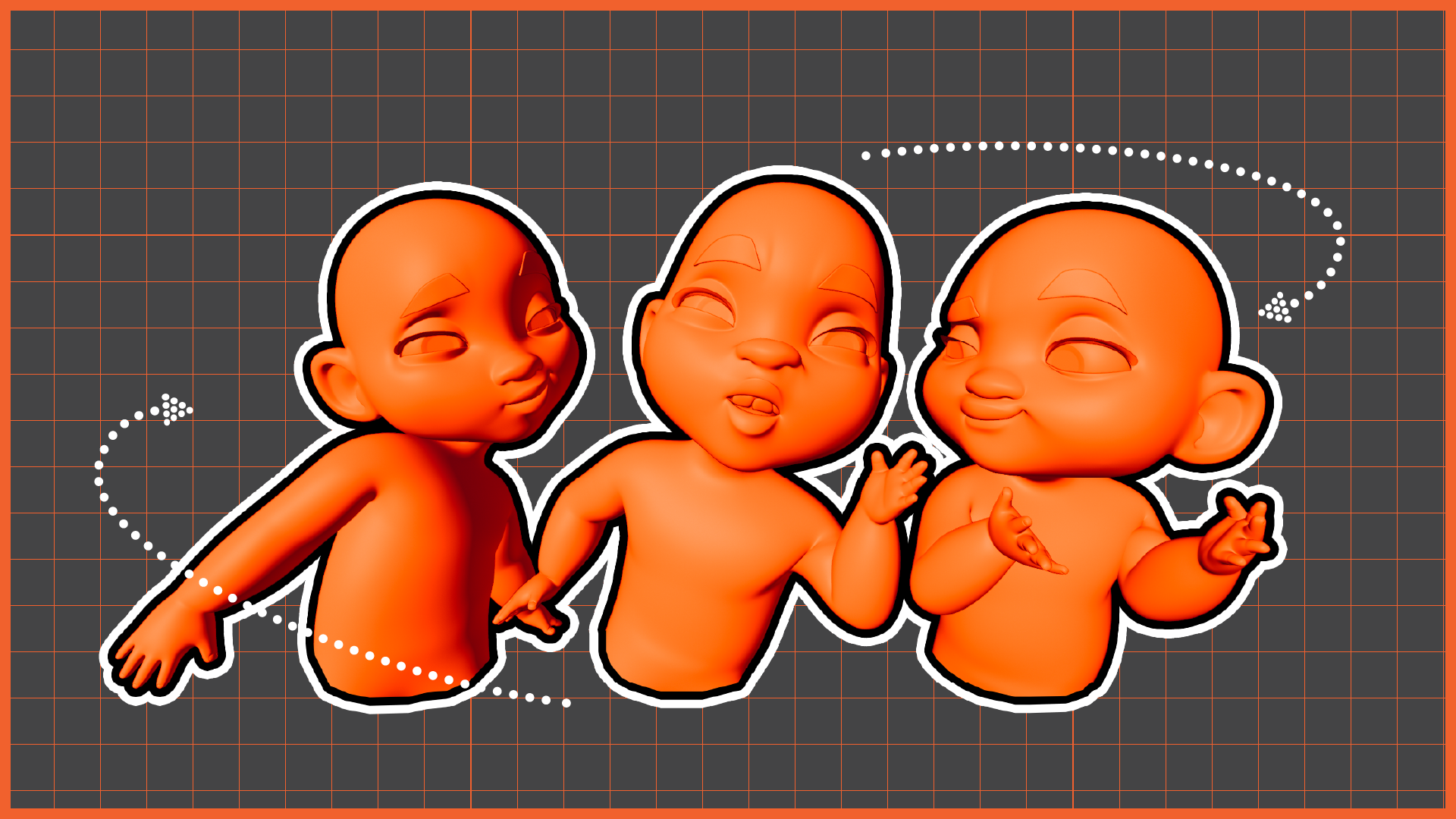
In Week 14 of Advanced 3D Computer Animation, Professor Ting Liu Ting Liu asked me to move into the spline stage of my lip sync assignment. Ting Liu guided me to refine motion flow and begin polishing animation into smoother transitions while maintaining performance strength from blocking.
Step 1: Developing the Animation
I converted key poses into spline animation and focused on improving timing and spacing. I worked on adding natural easing into movements to reduce mechanical motion. I also continued refining lip sync timing to better match spoken audio. Some areas required adjustment due to fast dialogue pacing, which made synchronization more challenging.
I focused on improving continuity between facial animation and body movement. I also ensured that emotional expression remained consistent during transitions. I adjusted spacing curves to avoid unnatural acceleration and to support smoother performance flow.
Step 2: Rendering the Animation
Step 3: Receiving the feedback
After submitting my animation, I received positive feedback from Professor Ting that:
“Lip sync is understandable and readable. stop animating every word literally. focus on sound based performance instead of phoneme tracking.”
“Improve rhythm and timing clarity. avoid over-detailing mouth shapes when it reduces readability”
I understood that spline stage is not about adding more motion but about refining clarity and rhythm. I also learned that lip sync becomes stronger when driven by sound emotion rather than mechanical phoneme tracking.