IIn Week 08 of Advanced 3D Computer Animation, Professor Nigel Mairs suggested me to studying platform case studies related to player generated avatars and digital ownership. I explored how different gaming platforms structure ownership through their terms of service, copyright systems, and licensing agreements. This research helped me understand how digital platforms regulate creative freedom while still maintaining legal and commercial control over user generated content.
Step 1: Understanding the Case Studies
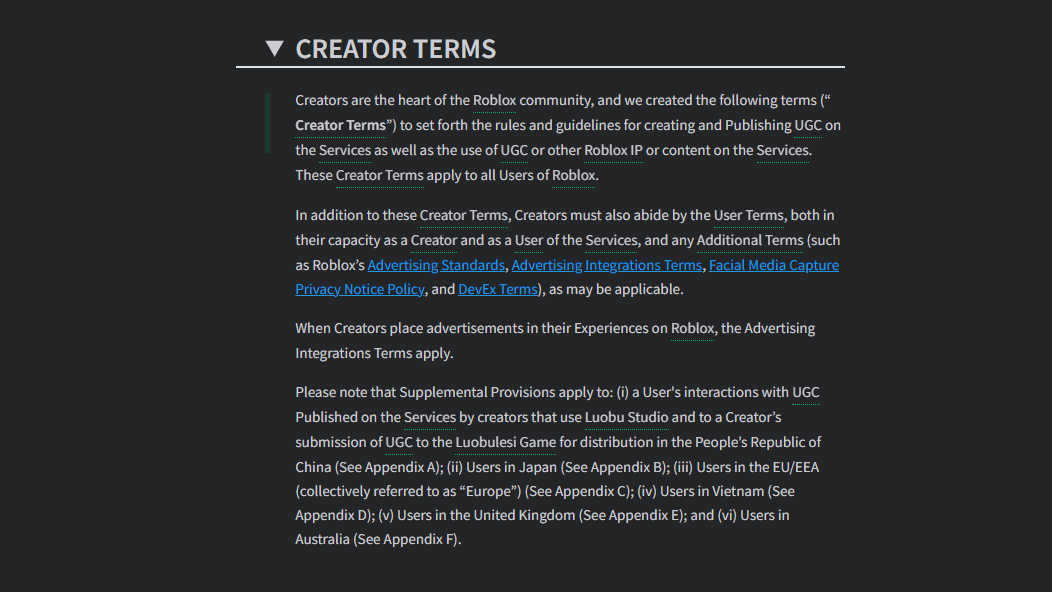
I analysed Roblox and how the platform allows creators to retain copyright ownership over their assets while simultaneously granting Roblox a broad and permanent licence to use, distribute, and modify uploaded content.
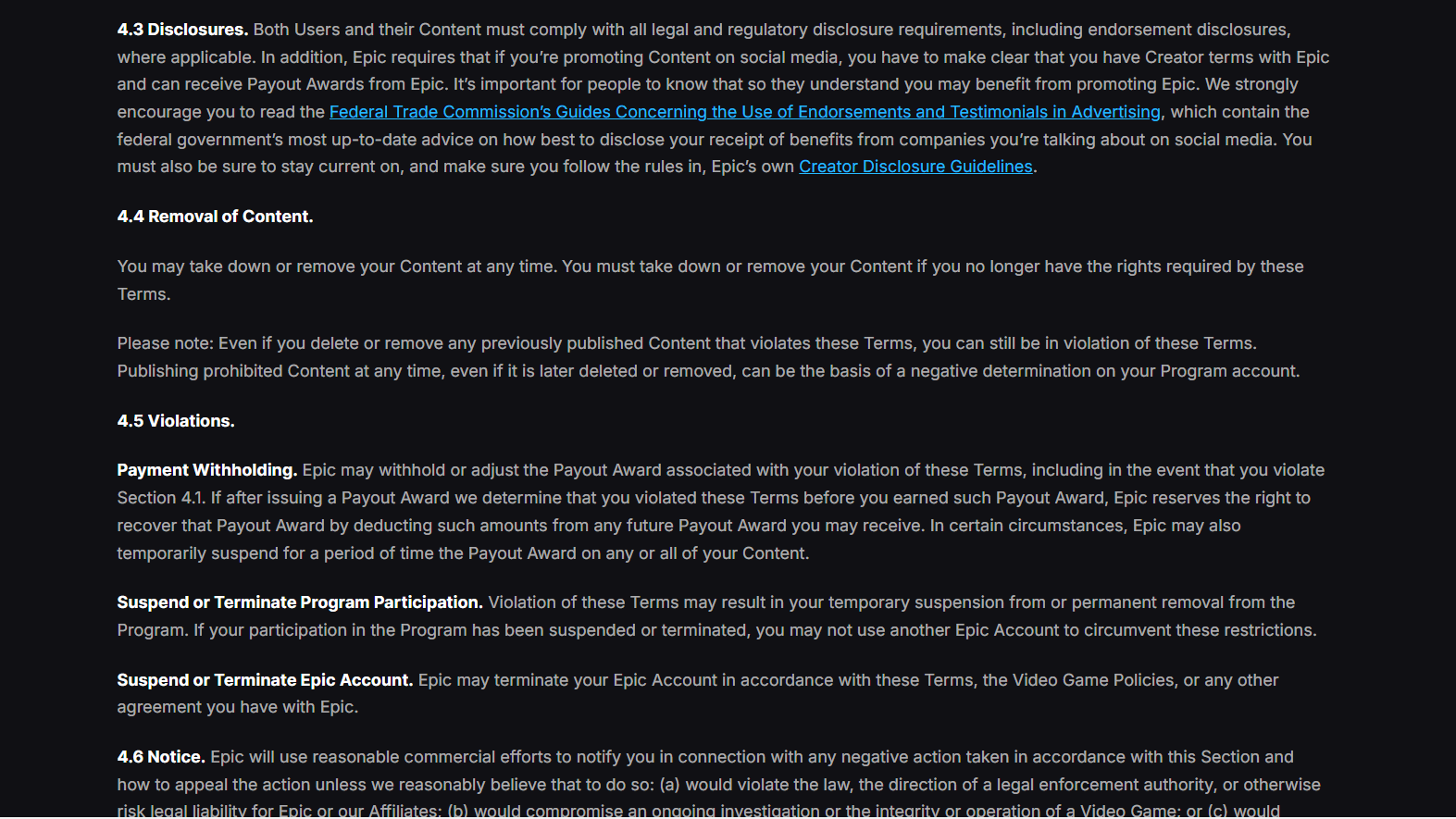
I also studied Fortnite and its IP policies, especially how Epic Games monitors content through account penalties, takedowns, and strict moderation systems. This helped me understand how platform stability often depends on strong legal structures and controlled distribution systems.
Step 2: Comparing different IP Laws
I further explored VRChat, Second Life, Minecraft, and The Sims 4. VRChat showed how users retain ownership of their avatars while the platform still controls distribution rights and usage through licensing agreements. Second Life presented a more creator-friendly structure, although operational control still remains with Linden Labs. Minecraft demonstrated a balance between player creativity and platform regulation by allowing ownership of mods and skins while restricting control over the core system. The Sims 4 highlighted the difference between creative ownership and commercial ownership, especially through restrictions on monetisation.
Through these case studies, I started identifying a consistent pattern where practical ownership is usually controlled by platform contracts rather than by user authorship alone. This week helped me build stronger evidence for my literature review and supported my argument about platform authority within digital game ecosystems.