In Week 12 of Advanced 3D Computer Animation, Professor Ting Liu Ting Liu continued guiding me through the development stage of lip sync animation. I focused on improving blocking quality and correcting issues identified in the planning stage. The main focus was to refine camera composition, staging, and performance clarity while maintaining continuity from the previous week.
Ting explained how camera placement affects storytelling clarity. I adjusted my camera to an eye level angle to create a direct interaction between character and viewer. I removed excessive negative space and improved framing to keep attention on facial performance. I also introduced slight environmental context to support narrative mood without distracting from the main character.
Step 1: Developing the Animation
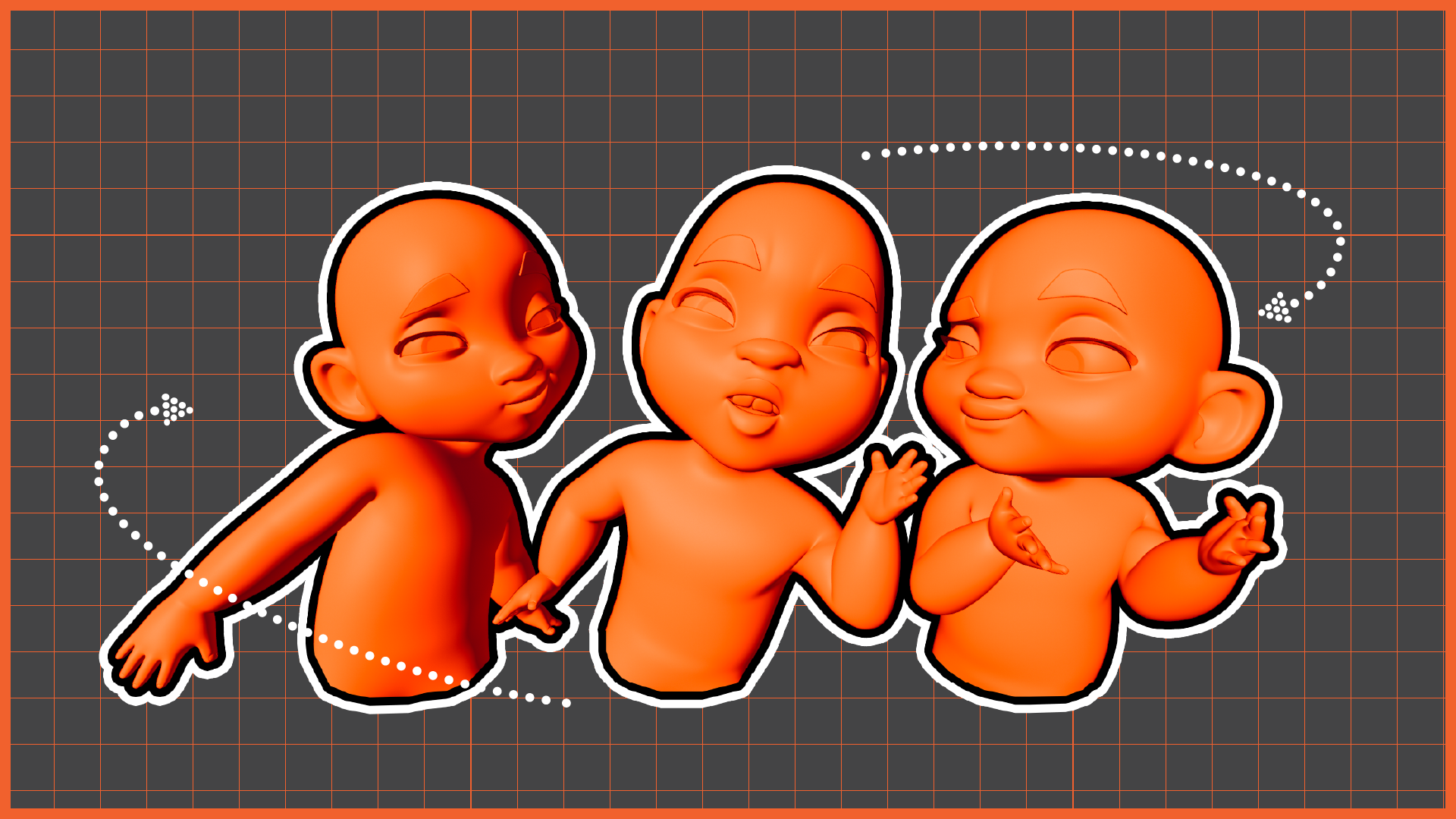
I developed blocking by adding more keyframes and refining timing between poses. I focused on improving readability of mouth movement and body language alignment with dialogue rhythm. I also worked on reducing robotic motion by adjusting spacing and transitions between key poses.
Step 2: Rendering the Animation
Step 3: Receiving the feedback
After submitting my animation, I received strict feedback from Professor Ting that:
“Your camera framing is improved compared to previous version. staging is better.”
“Body performance still feels robotic and too symmetrical. facial expression needs more asymmetry to feel natural.”
“Avoid mechanical repetition in pose transitions. add more emotional variation in movement”
I understood that lip sync animation depends equally on staging and performance clarity. I also learned that natural movement requires controlled asymmetry and variation in pose design. This week helped me move closer to performance based animation thinking.