
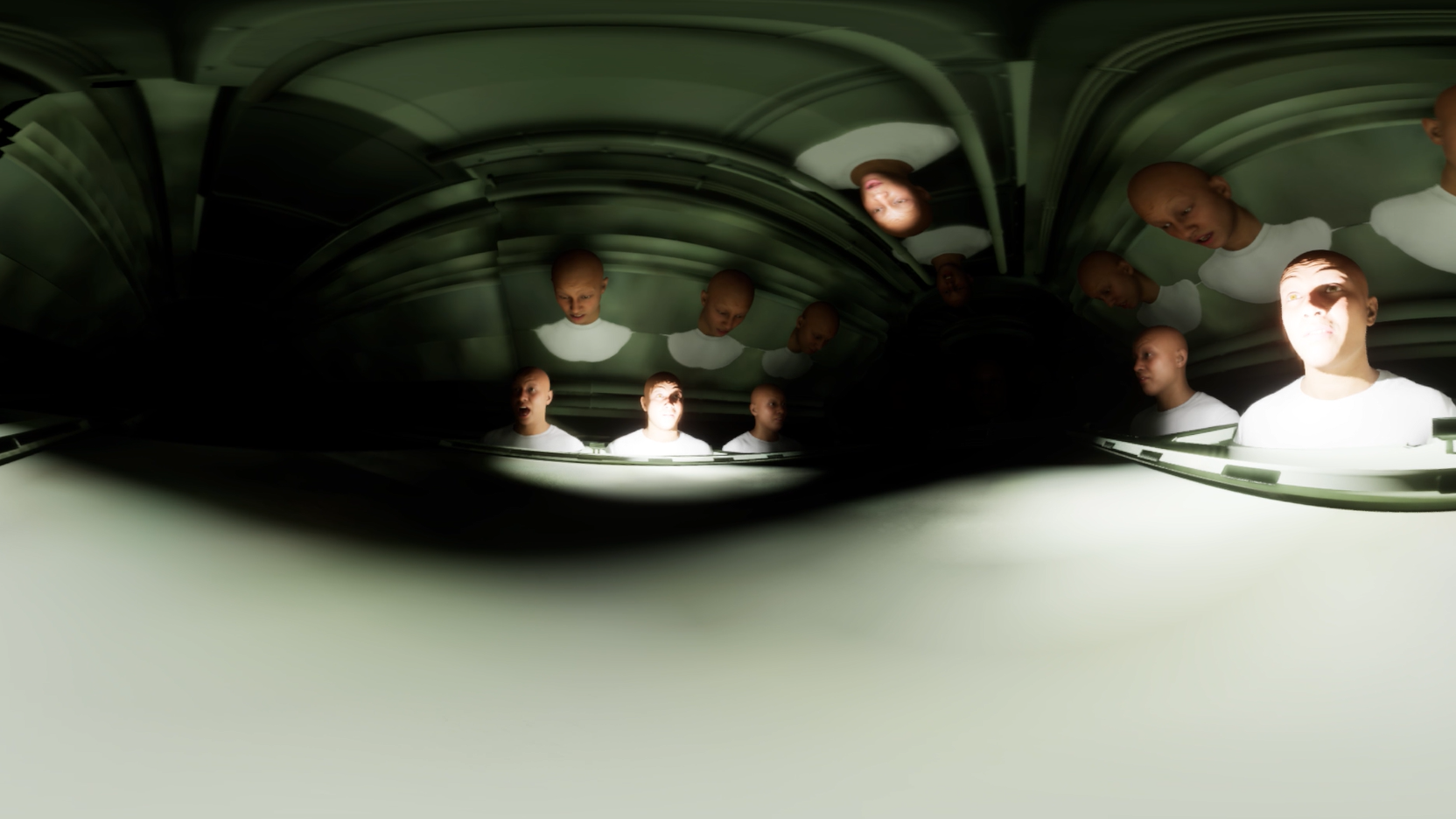
In Week 09 of Experimental 3D Computer Animation, Professor Serra Özdemir asked me to test immersive viewing setups using VR headsets and evaluating how my animation performs within a more realistic viewing environment. The aim of the session was to assess how my 360-degree project functions when experienced through a headset rather than a standard screen preview.
Serra guided me through the process of viewing my animation data inside a VR headset setup. I studied how the scene behaves when placed in an immersive format and how viewer perception changes when the animation surrounds the audience completely. This helped me evaluate spatial composition, scale, and camera positioning in a more accurate way compared to traditional playback.
Step 1: Importing Data into the VR Headset
I explored how the animation responds to head movement and real-time viewing adjustments. I observed how small inconsistencies in scale and framing become more noticeable in VR, which helped me identify areas that needed refinement in terms of visual clarity and scene structure.
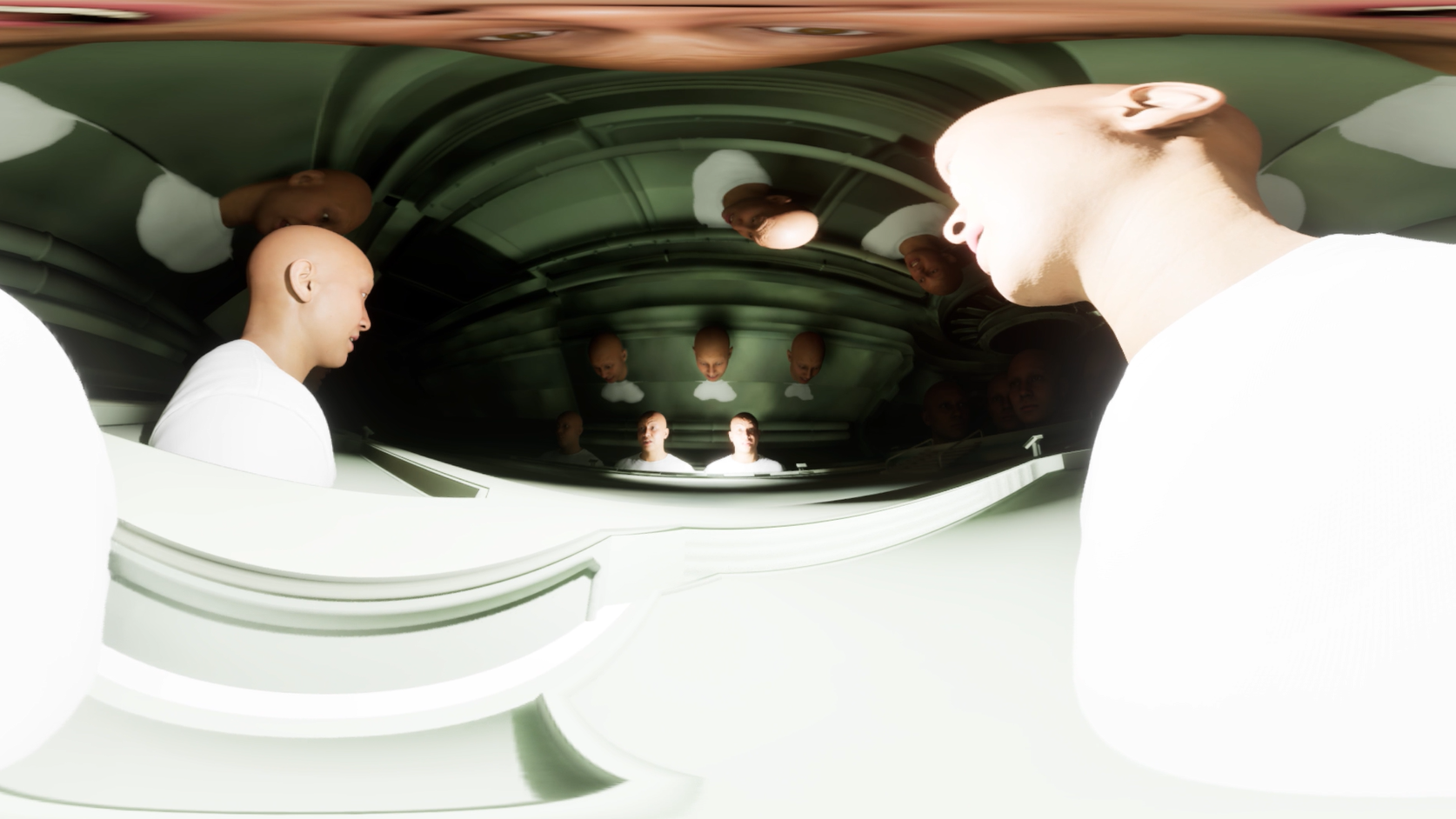
This session helped me understand the importance of testing animation inside the final viewing medium. I learned that VR changes how audiences perceive space, timing, and emotional impact. As a result, I planned to further refine my animation by focusing on clearer visual design, better spatial control, and improved readability inside the 360-degree environment.