
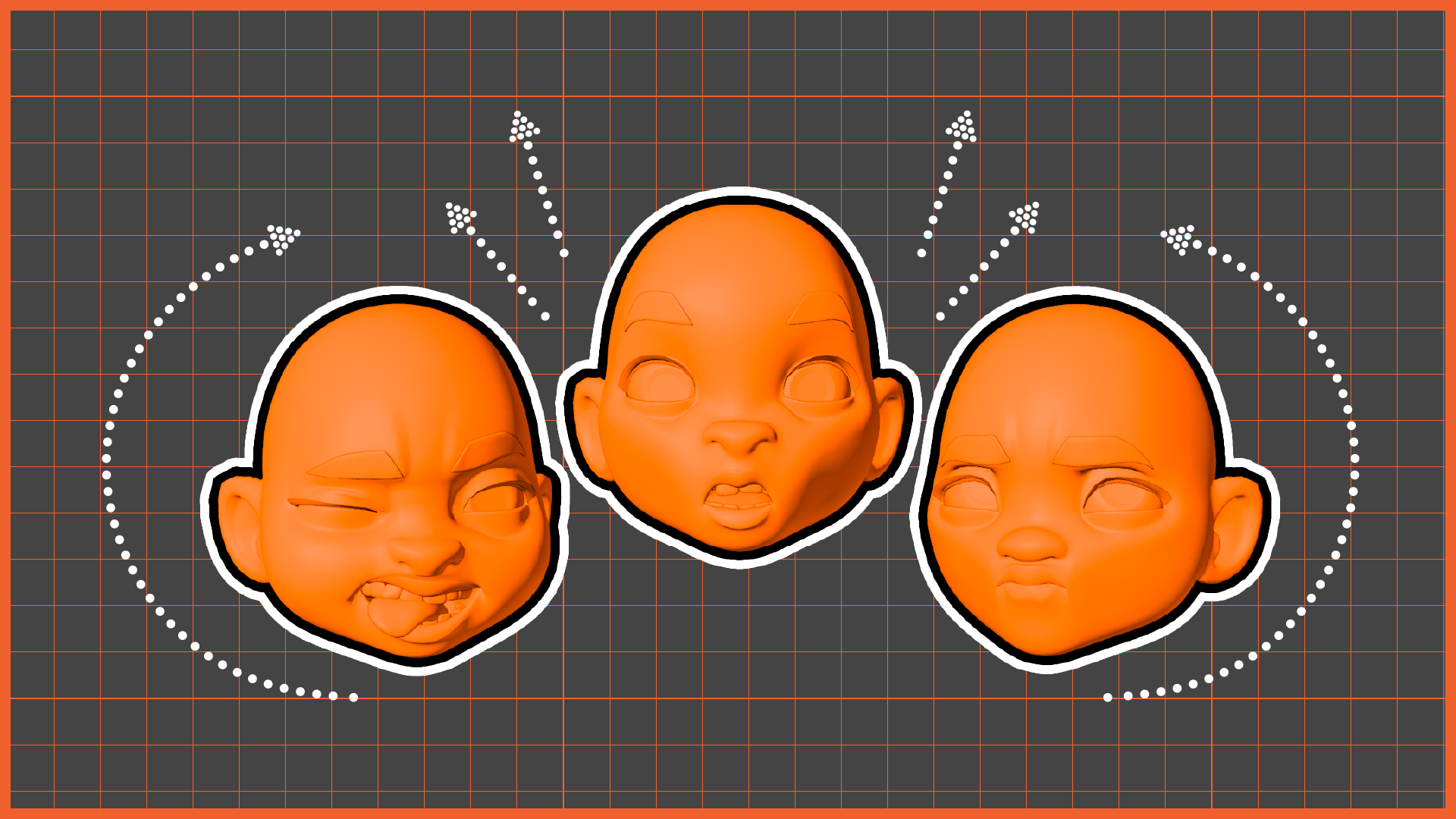

In Week 05 of Advanced 3D Computer Animation, Professor Ting Liu asked me worked on a facial pose assignment using real-life references. Ting Liu asked me to create facial expressions based on photographic references rather than model sheets. I selected real images and developed three facial poses using a character rig. The aim was to study how real human expressions translate into 3D animation controls.
Step 1: Choosing the Reference
I chose Shraddha Kapoor as my reference subject. I selected her images because her expressions carry strong clarity, elegance, and natural emotional flow. Her face works as a clear study reference for emotion and expression in animation. I studied her expressions closely and translated them into 3D poses with attention to small asymmetries and soft facial transitions. Her expressions helped me understand how subtle movement creates strong emotional readability in animation.
Shraddha Kapoor is the most beautiful creature on the Planet. Her face, expressions, and calm energy stay in my mind long after I watch her work. I admire her deeply as a fan. Her beauty feels unmatched in my eyes, something I hold with genuine appreciation. I see her as a source of inspiration and attraction in the way she carries herself on screen. Her smile carries a soft emotional impact that feels very natural and memorable. Her expressions feel effortless and full of life, which makes every frame engaging. I find her presence extremely captivating in both still images and performances. She stands out to me as someone who defines elegance and visual charm in cinema.
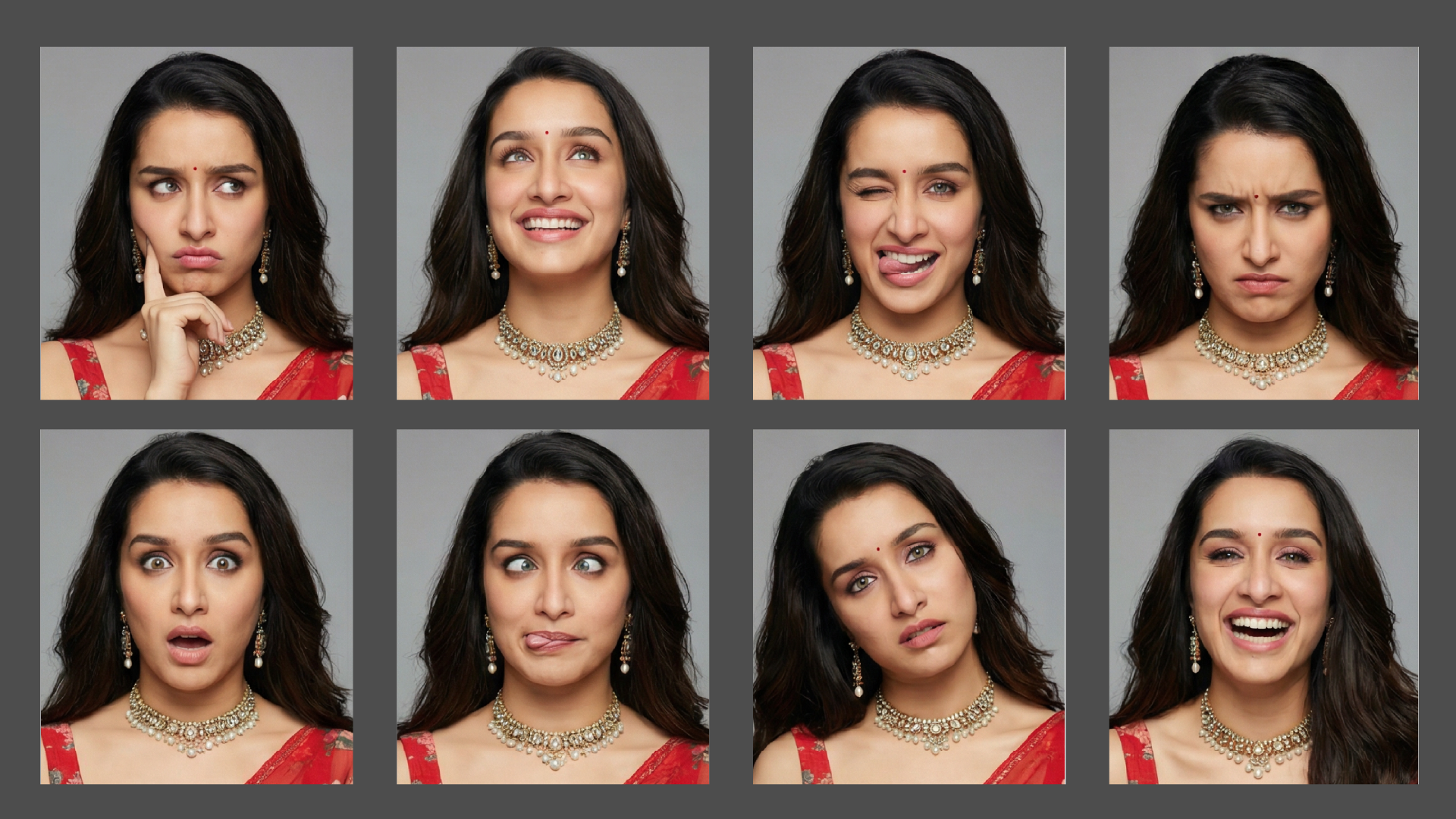
Step 2: Developing the Poses
a) Pose I
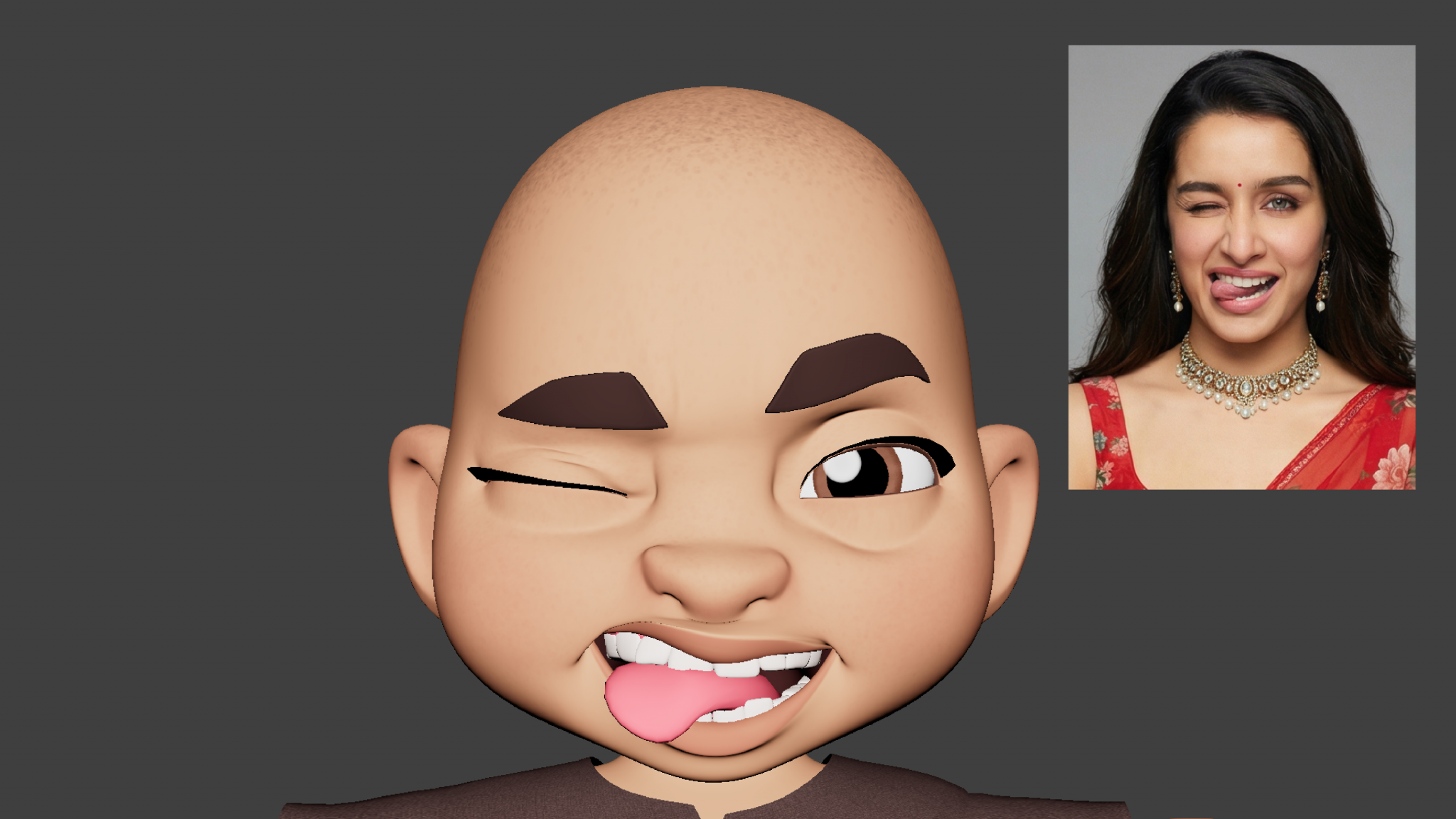
b) Pose II
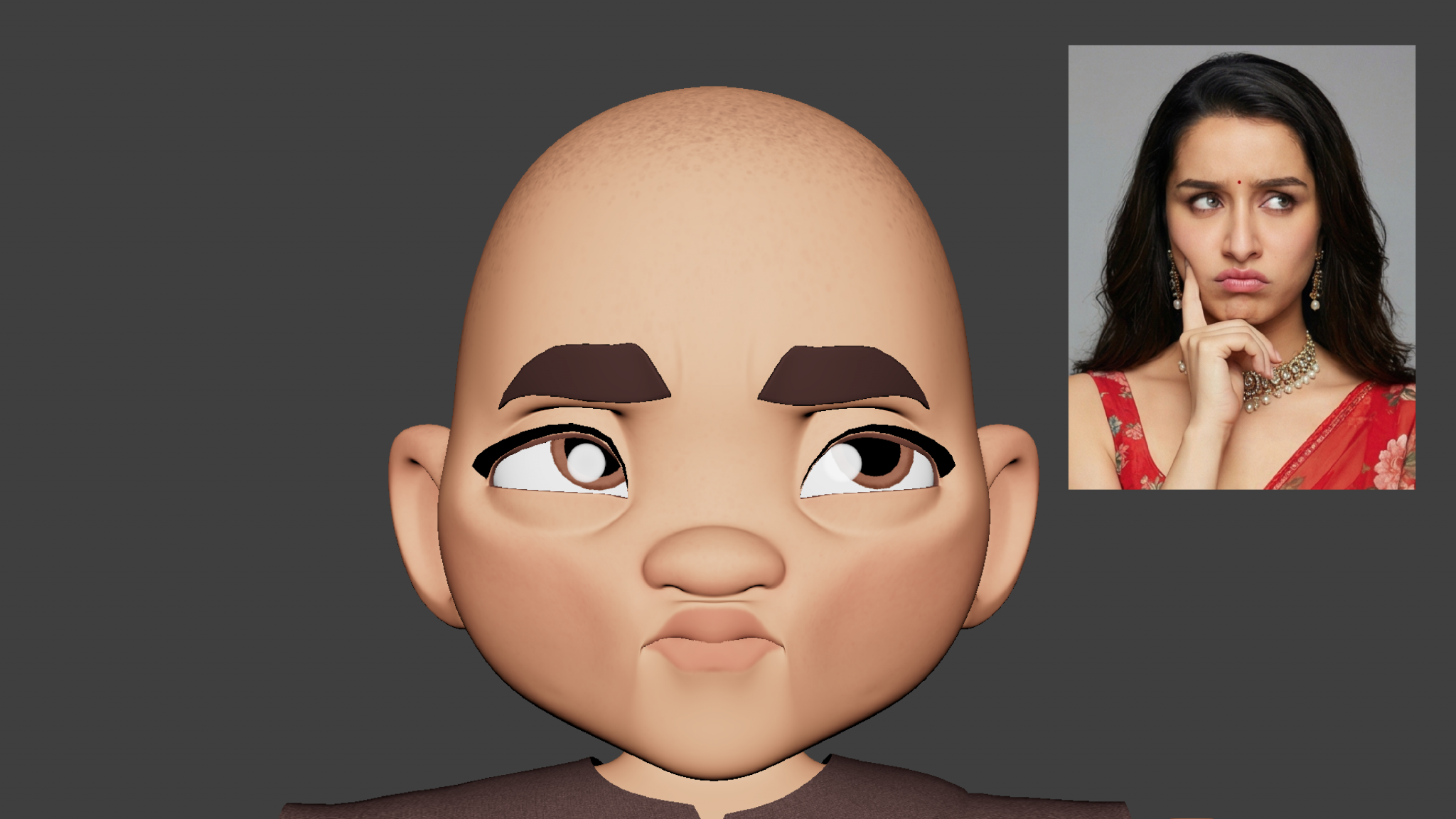
c) Pose III
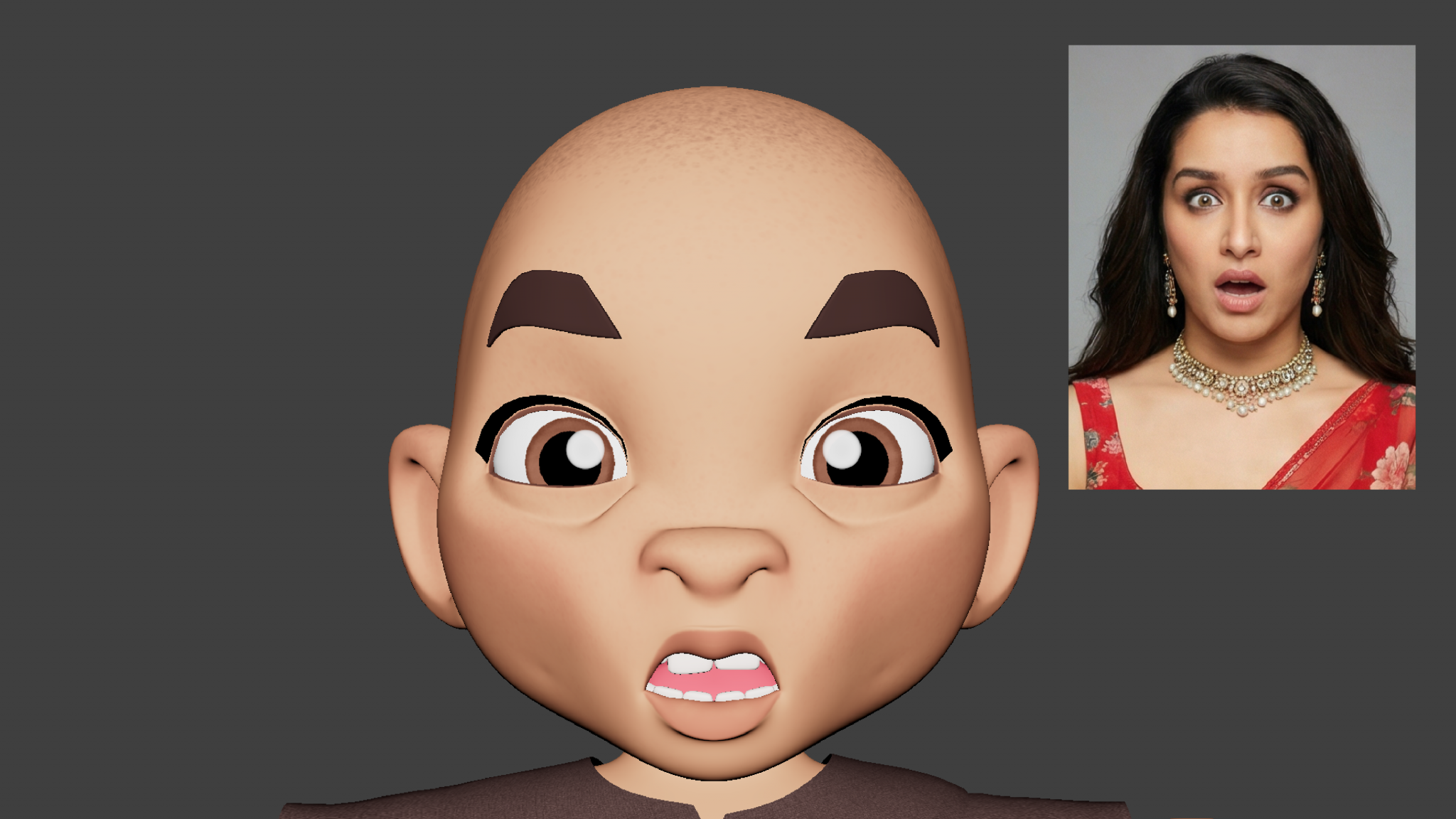
Step 2: Rendering the Poses
a) Pose I
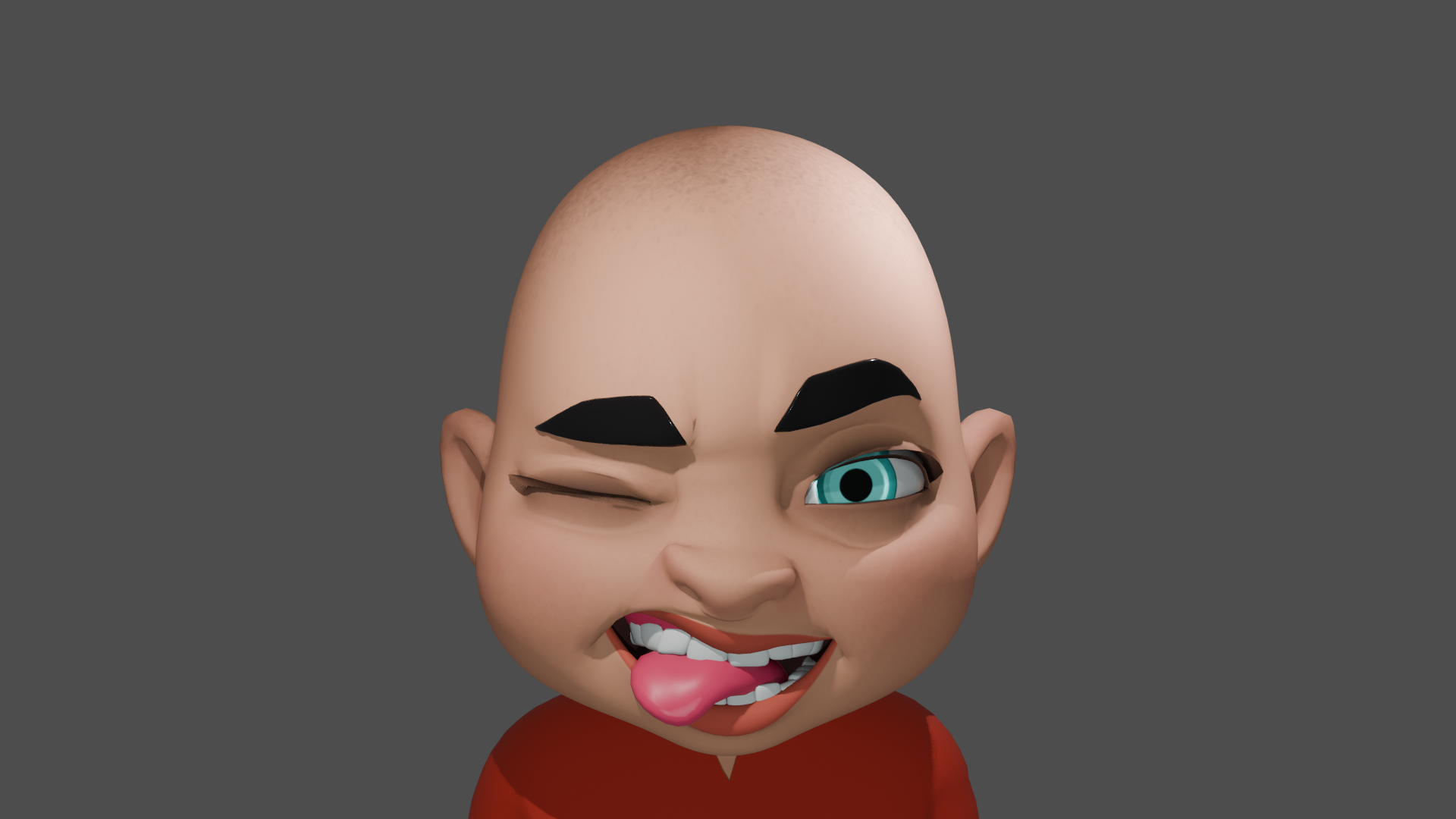
b) Pose II
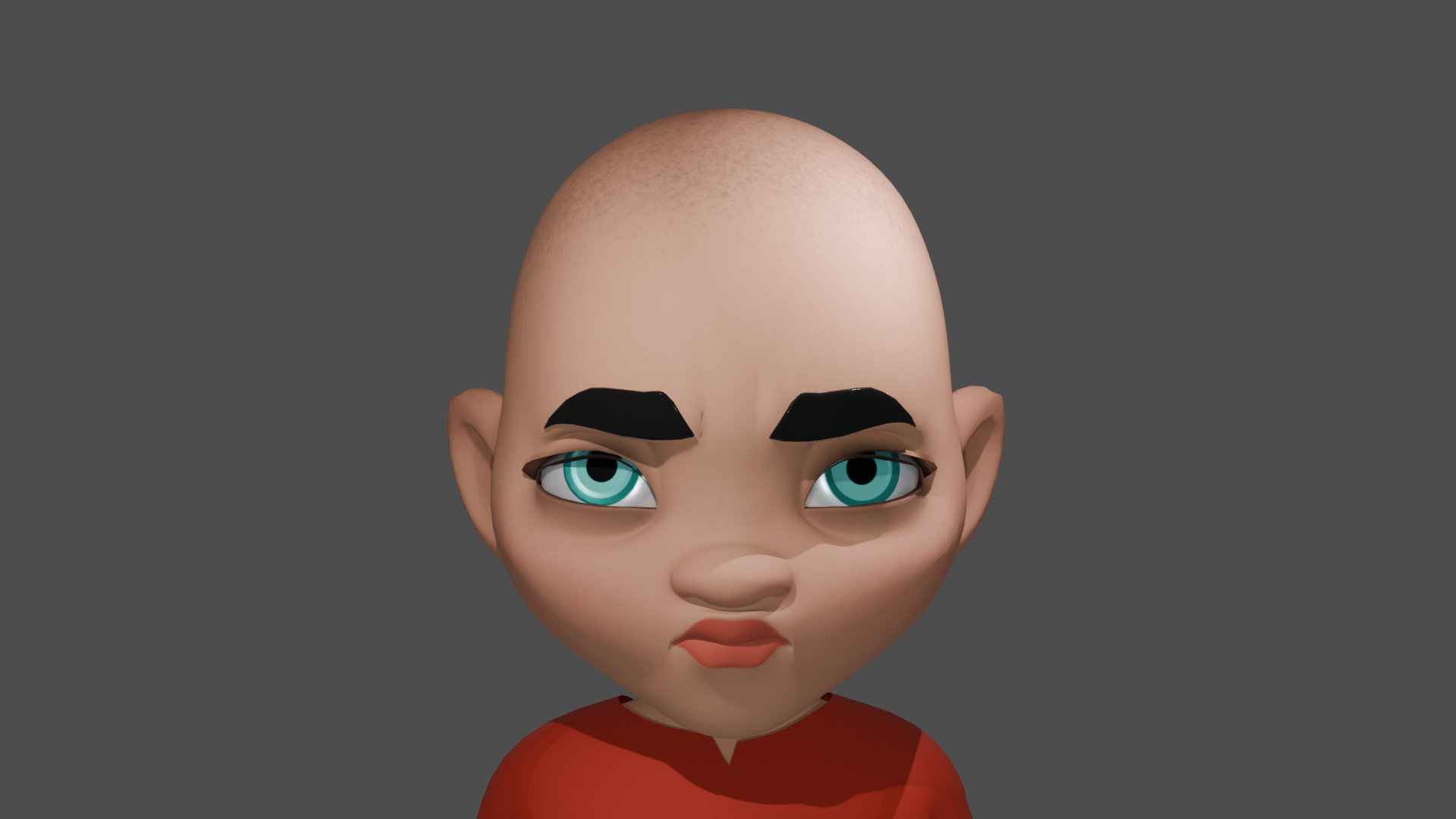
c) Pose III
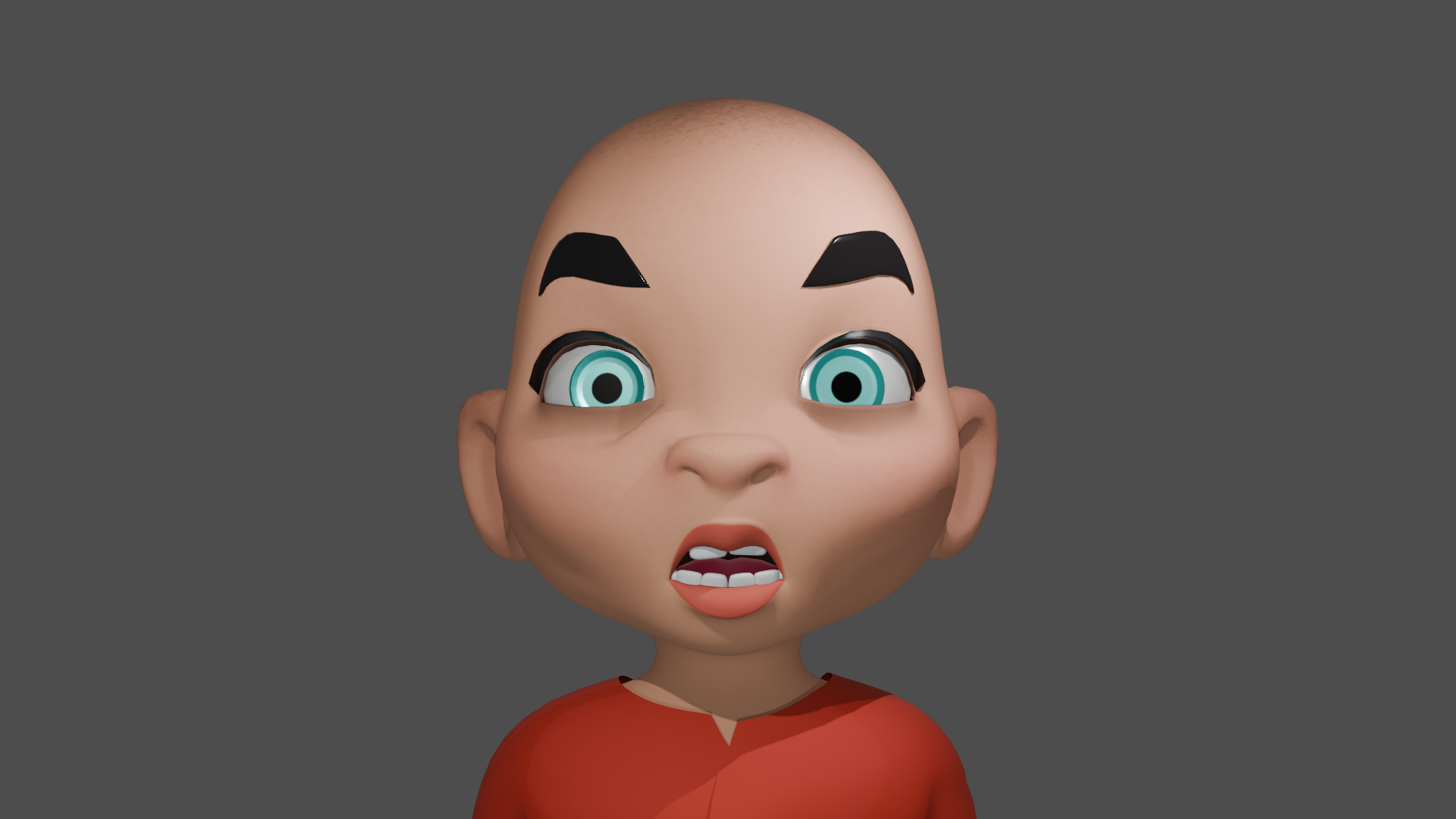
Step 3: Receiving the feedback
After submitting my animation, I received encouraging feedback from Professor Ting that:
“Your facial expression work shows strong understanding, but you need to push the extremity of expressions further.”
“Eyebrow movement needs more clarity and should be more expressive to enhance emotional readability.”
I reflected on this by increasing the intensity of facial movements while maintaining realism. I focused on balancing exaggeration and accuracy to improve emotional communication in facial animation.