In Week 04 of Advanced 3D Computer Animation, Professor Ting Liu taught facial expressions and facial pose development. The session focused on how facial structure changes emotion and how asymmetry improves realism in animation. I studied how organic facial shapes create stronger appeal compared to strict symmetry. The lecture explained how eyes, mouth, eyebrows, and cheeks work together as one system rather than separate parts. Facial volume and muscle direction were also explained, showing how small adjustments affect emotional clarity.
Step 1: Choosing the Model Sheet Reference
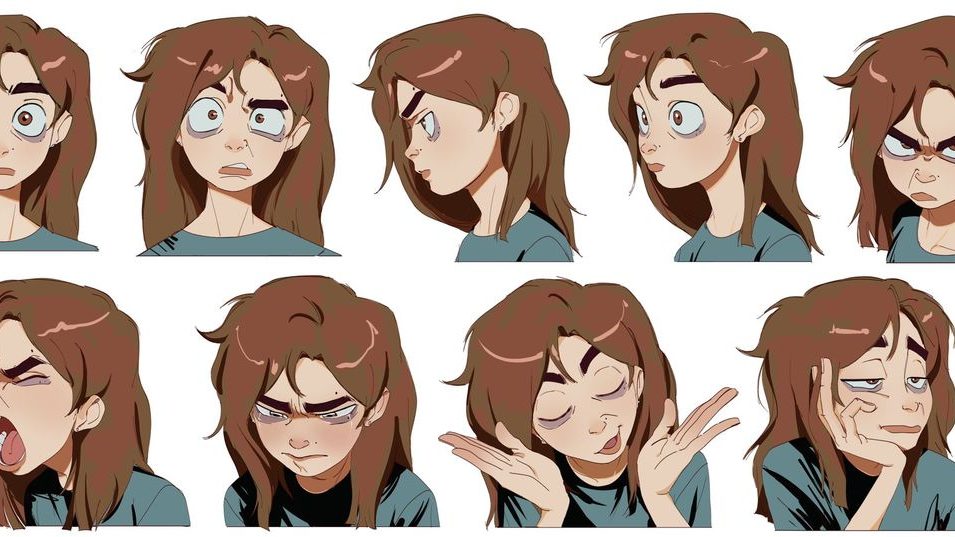
Step 1: Developing the Poses
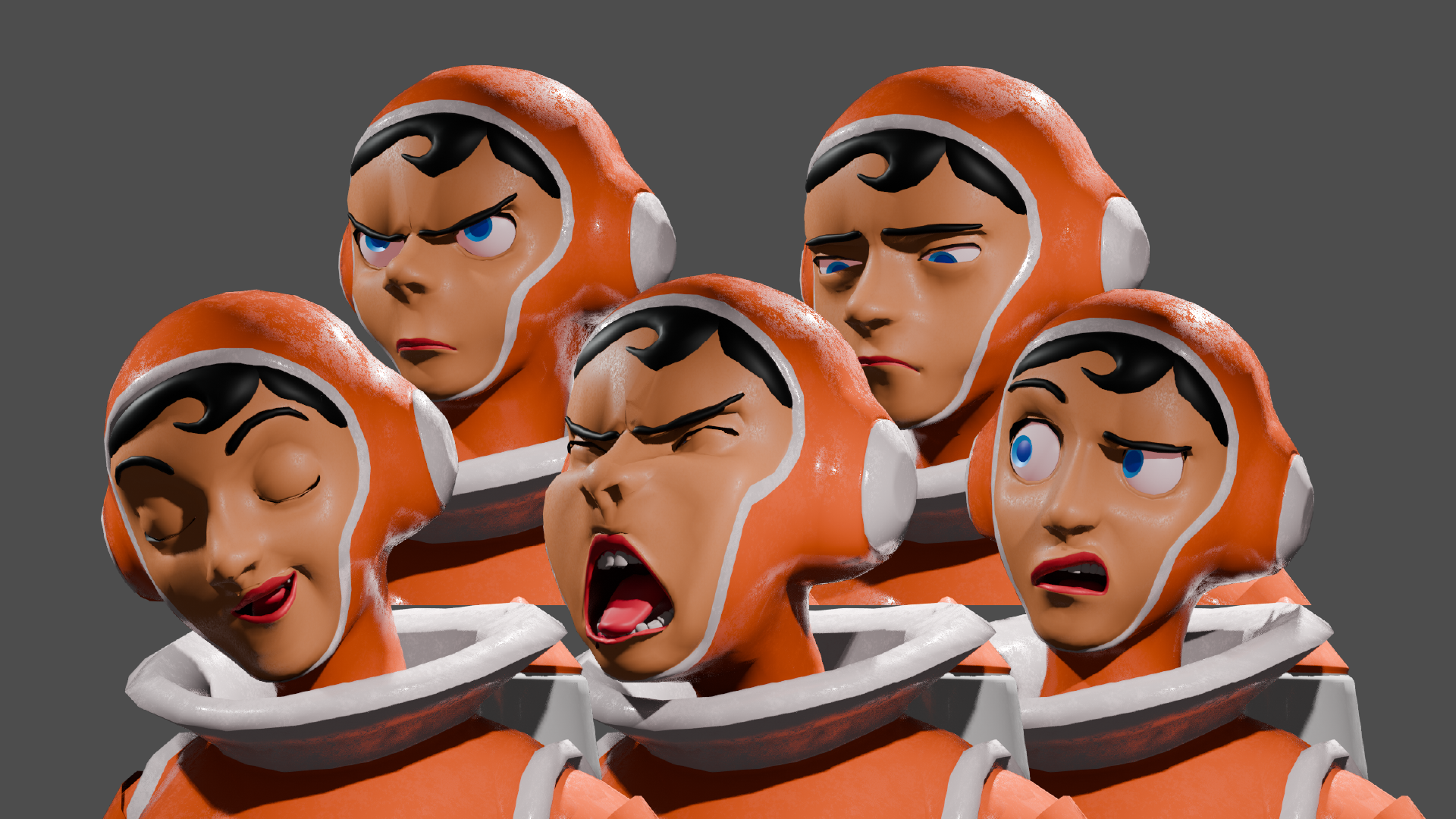
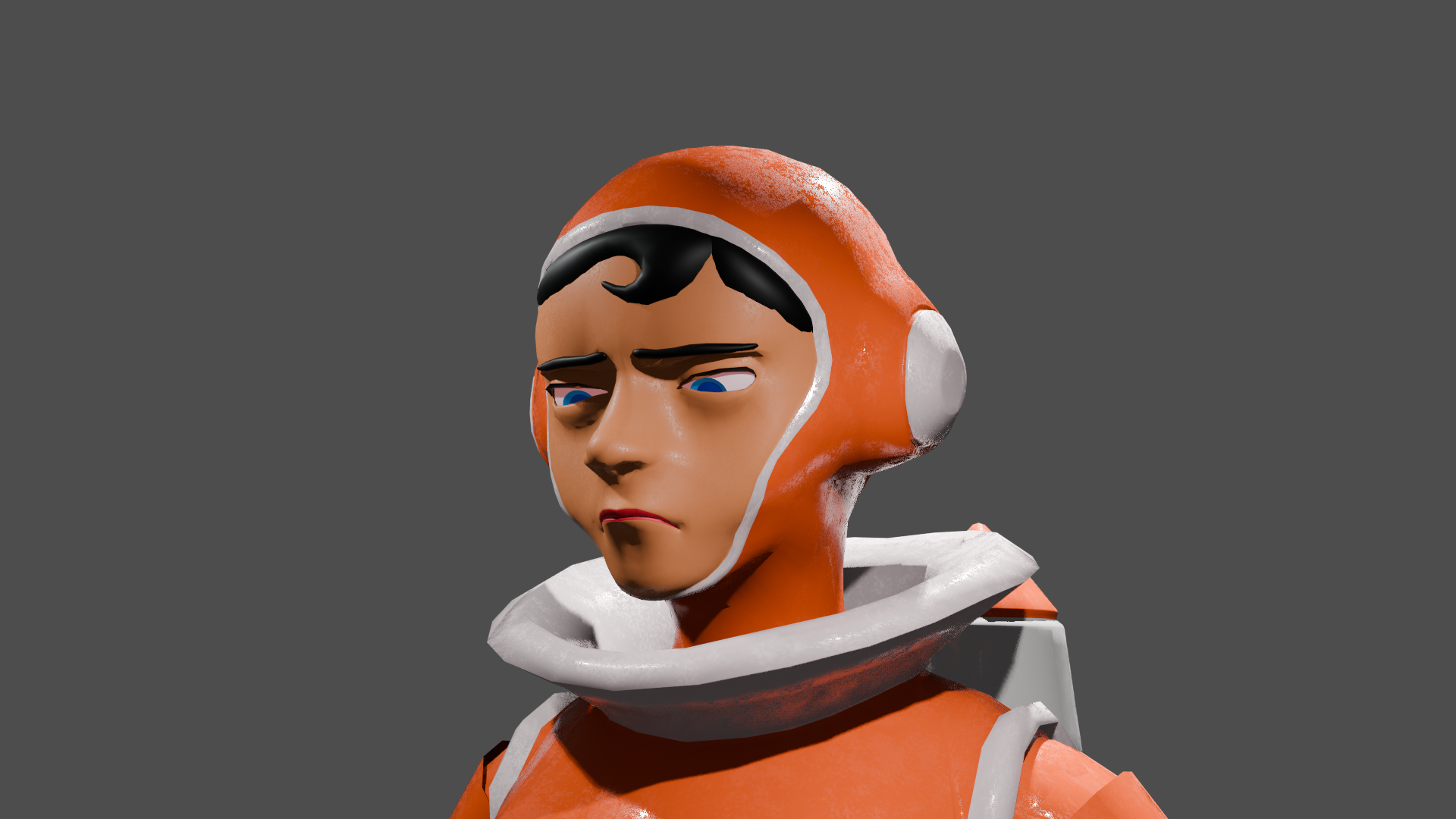
I created five facial poses based on a model sheet. I replicated different expressions from reference material and translated them into a 3D rig. The focus of the task was accuracy, observation, and control of facial deformation. I worked through each pose by analysing the structure of the expression and matching it through facial controls.
a) Pose I
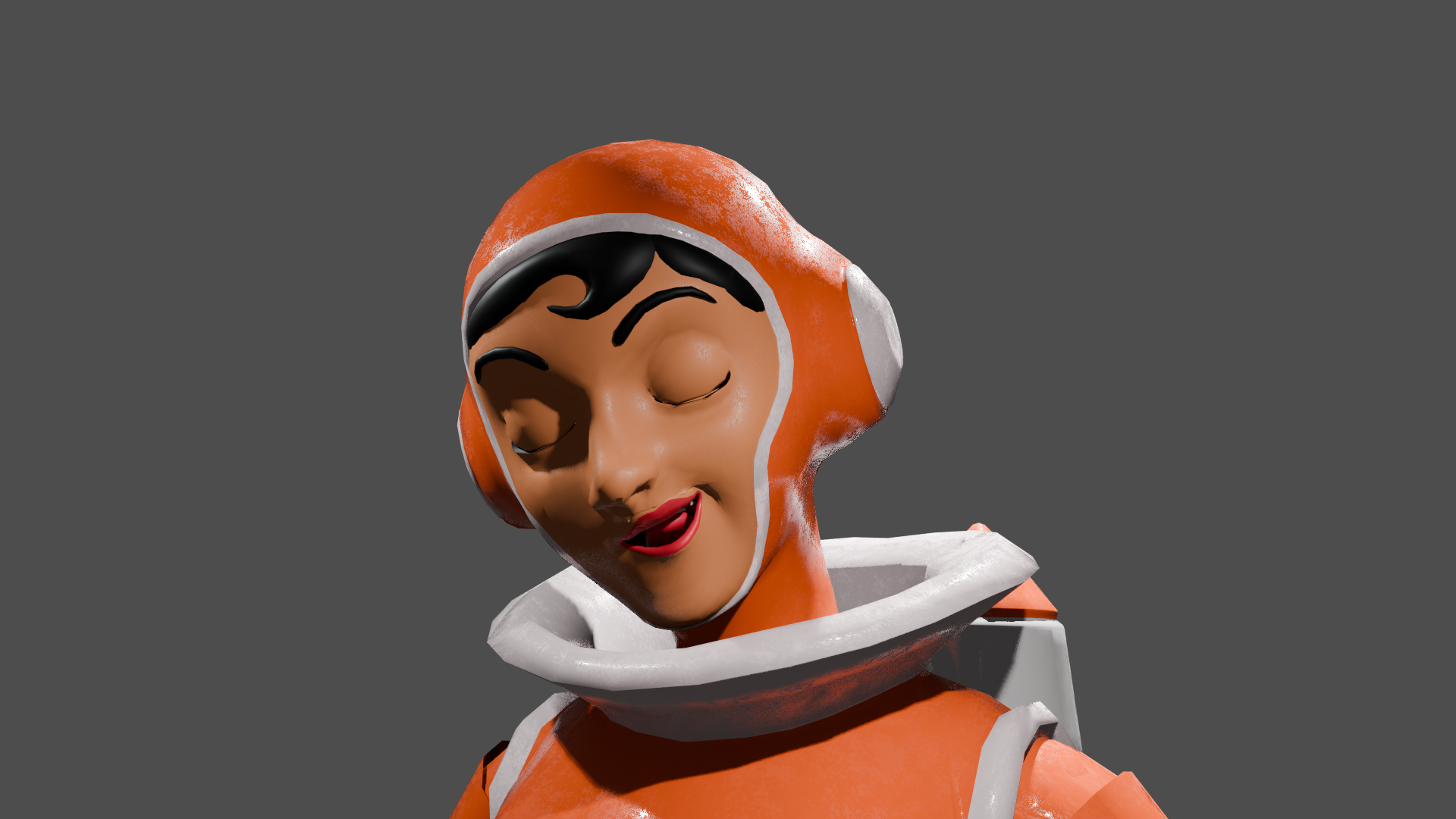
b) Pose II
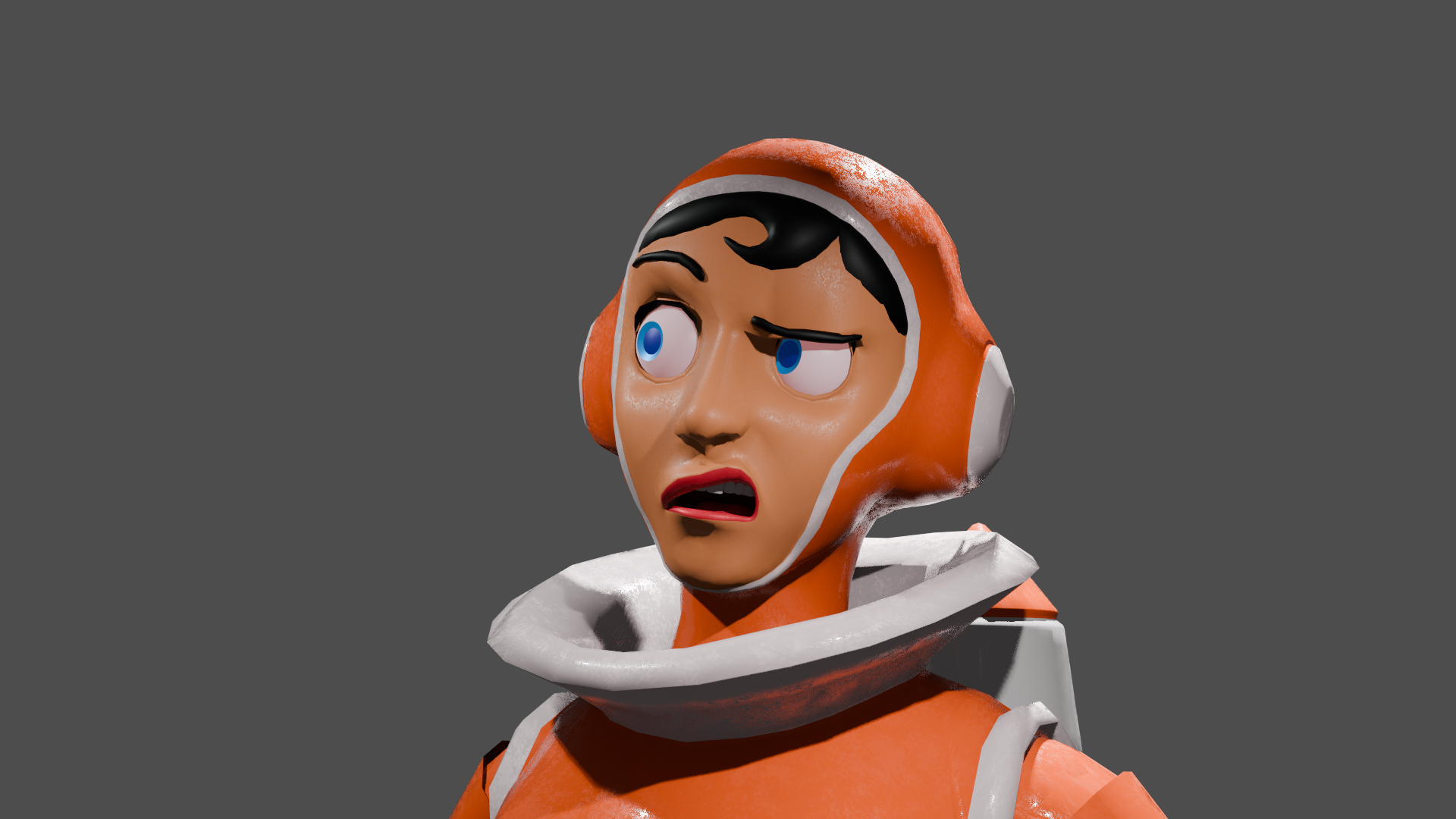
c) Pose III
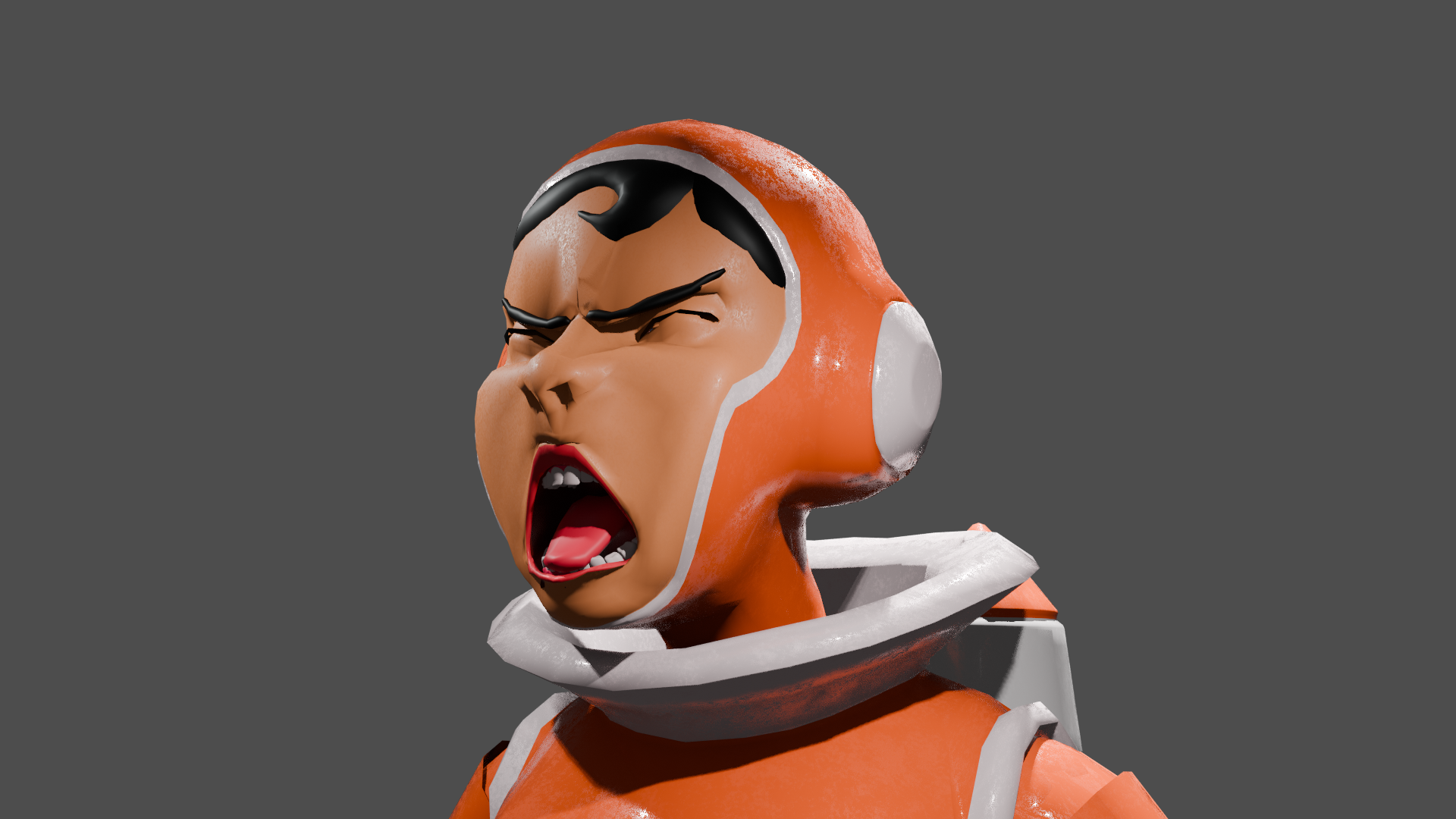
d) Pose IV
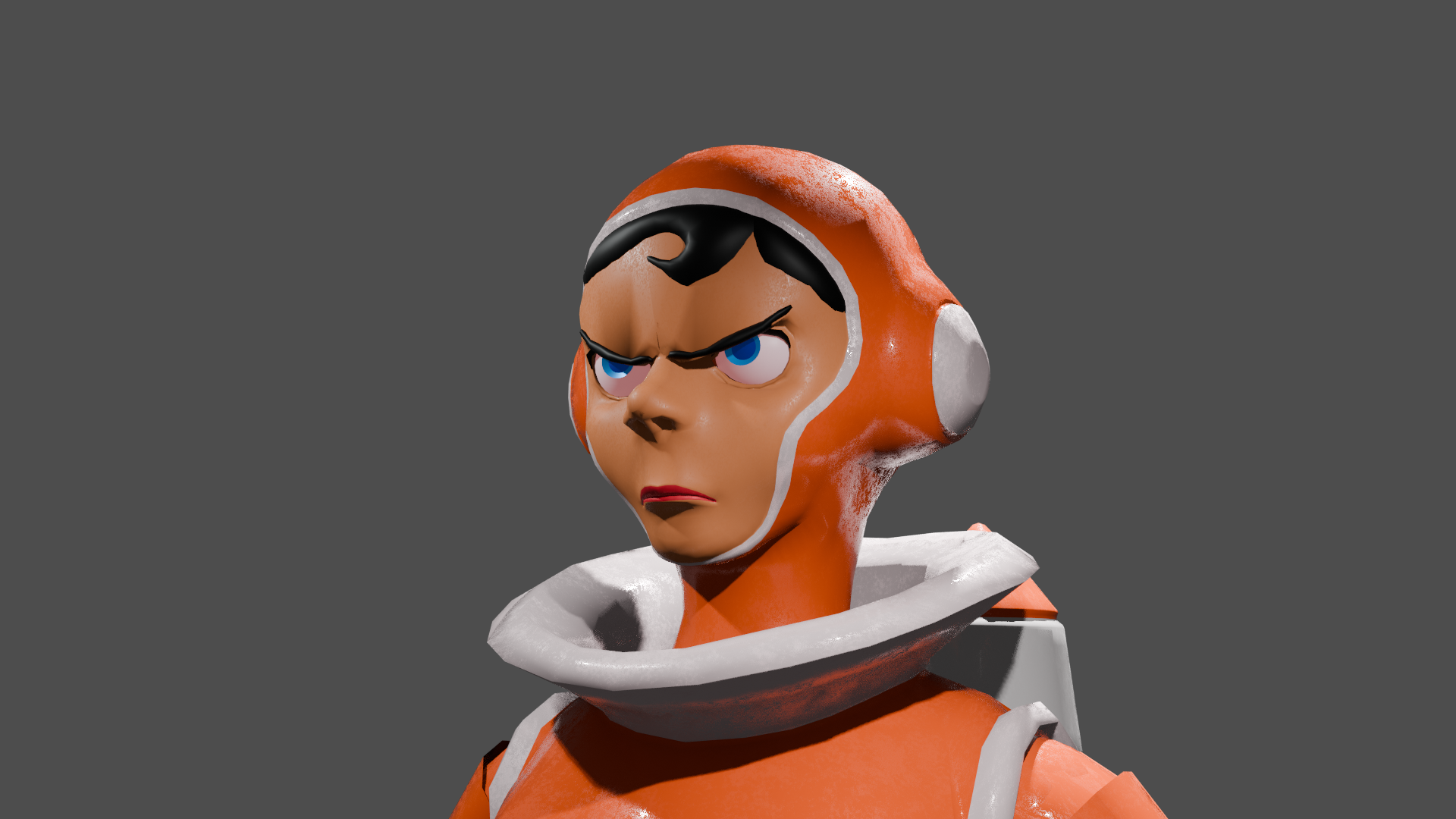
e) Pose V
Step 2: Receiving the Feedback
After submitting my animation, I received encouraging feedback from Professor Ting that:
“The facial poses show good understanding of expression, but some areas need better control in muscle balance and deformation accuracy.”
“Certain expressions stretched beyond natural limits of the rig”
I reflected on this feedback by adjusting facial control balance and improving how each expression transitions across facial zones. I focused on keeping facial volume consistent while maintaining expressive clarity. This week strengthened my understanding of how observation directly impacts animation quality.