

In Week 02 of Advanced 3D Computer Animation, Professor Ting Liu introduced storytelling frameworks and narrative construction methods. The session focused on how stories are structured through exposition, conflict, rising action, climax, falling action, and resolution. The three-act structure was explained in detail, highlighting setup, confrontation, and resolution phases. Additional emphasis was placed on how narrative language such as sequencing words and causal structure supports clarity in storytelling.
Step 1: Choosing the Movie Scene for Analysis
I analysed a selected film scene from Ponniyin Selvan and broke down its cinematography and narrative flow. I examined how character positioning, camera movement, and framing supported emotional tension during the selected interaction scene. I structured my analysis around shot progression and narrative pacing, identifying how visual design reinforced story development.
Step 2: Developing the Story
I also worked on a narrative exercise pairing up with Seiya Ito, where I developed three short structured idea using assigned object, tone, and action combinations. This exercise required quick decision-making in narrative direction while maintaining coherence in structure. I worked with a prompt system that included object, action, and tone.
a) The objects included envelope, ladder, lantern, clock, mirror, and chain.
b) The actions included flooding, melting, shattering, spinning, fading, and floating.
c) The tones included suspicion, isolation, betrayal, obsession, nostalgia, and freedom.
I selected ladder as the object, flooding as the action, and freedom as the tone. These three elements formed the foundation of my story development.
The Story:
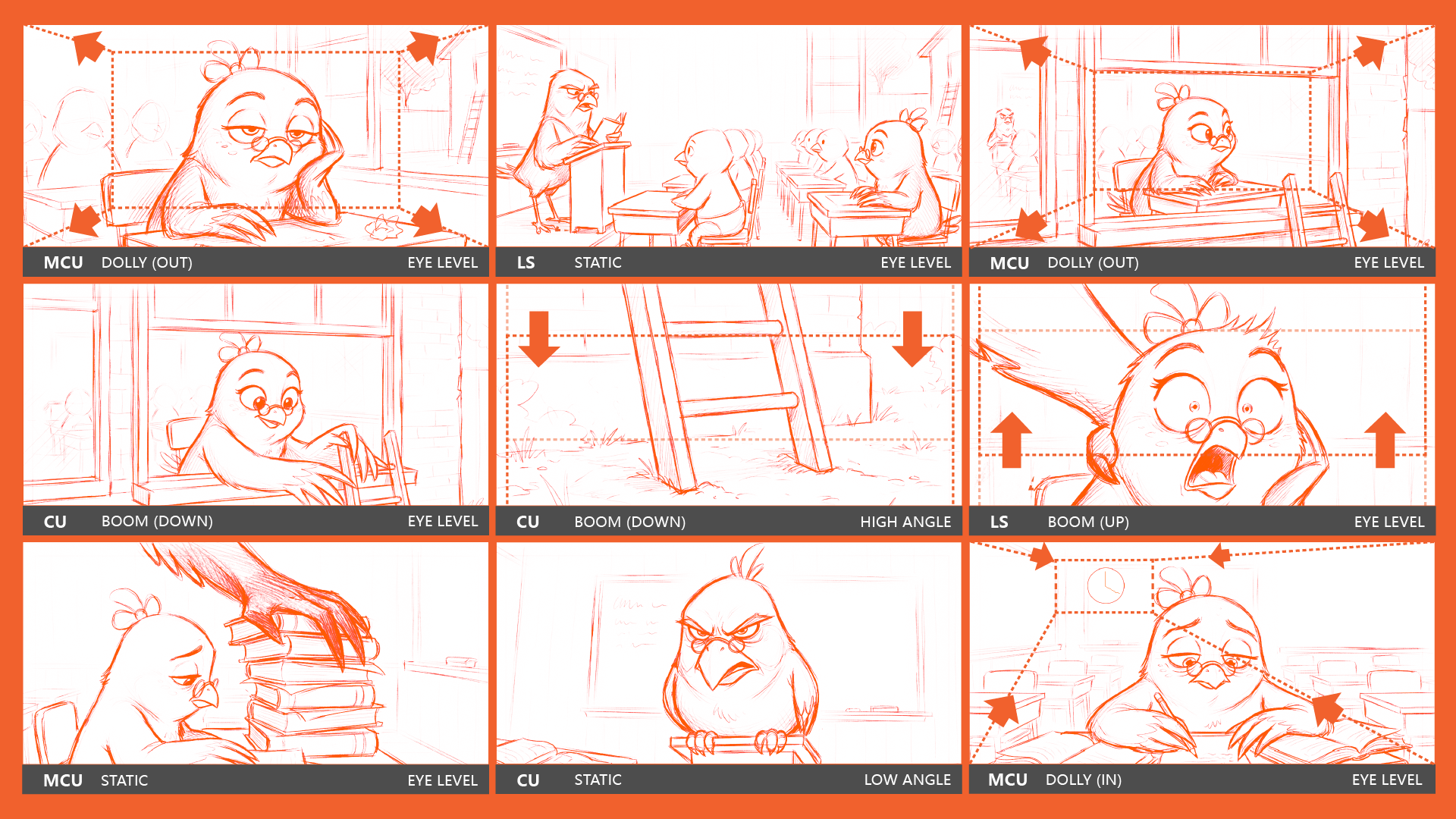
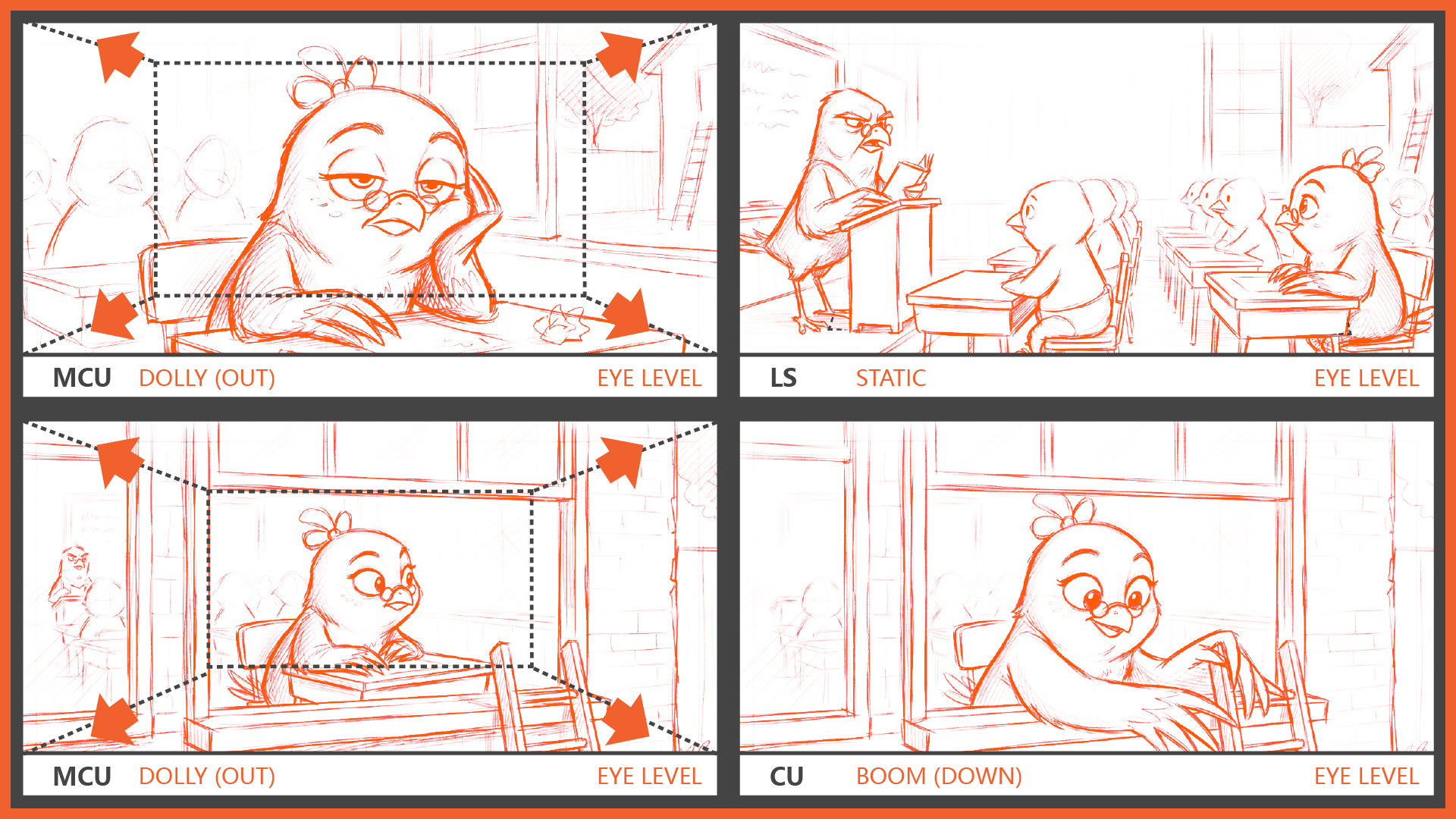
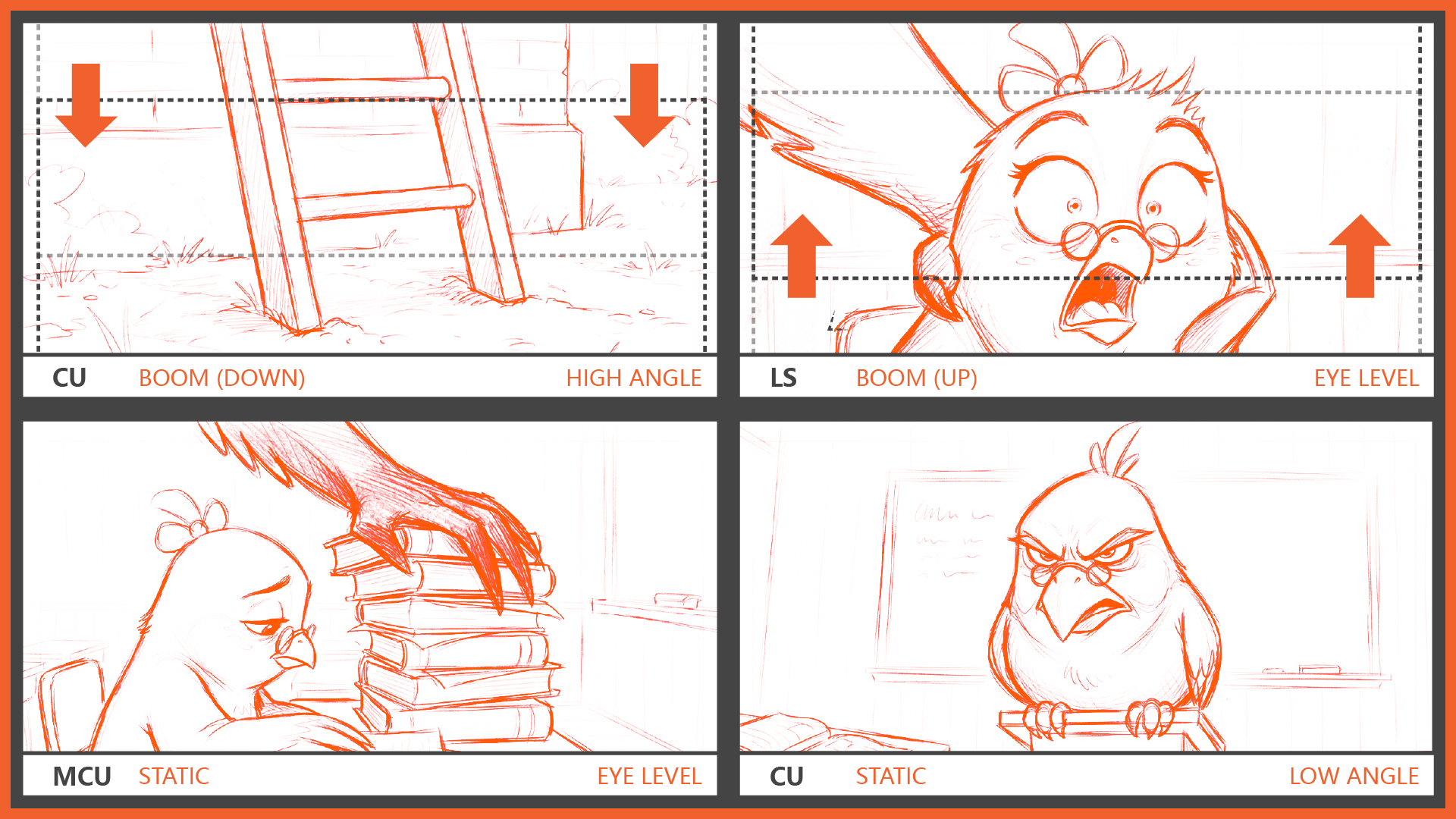
A bird student sits inside a classroom, staring out of a window with a sense of boredom and restriction. Outside, a ladder rests against a wall, unnoticed by others but visible to the bird. The classroom feels heavy as the tutor continues teaching without pause. A sudden flood of assignments covers the desks, increasing pressure and limiting movement. The bird looks again at the ladder and imagines a path toward freedom beyond the window. The thought grows stronger, but the classroom remains controlled and strict. The bird stays inside, surrounded by work, while the ladder remains outside as a silent reminder of escape and freedom.
Step 3: Developing the Story Board
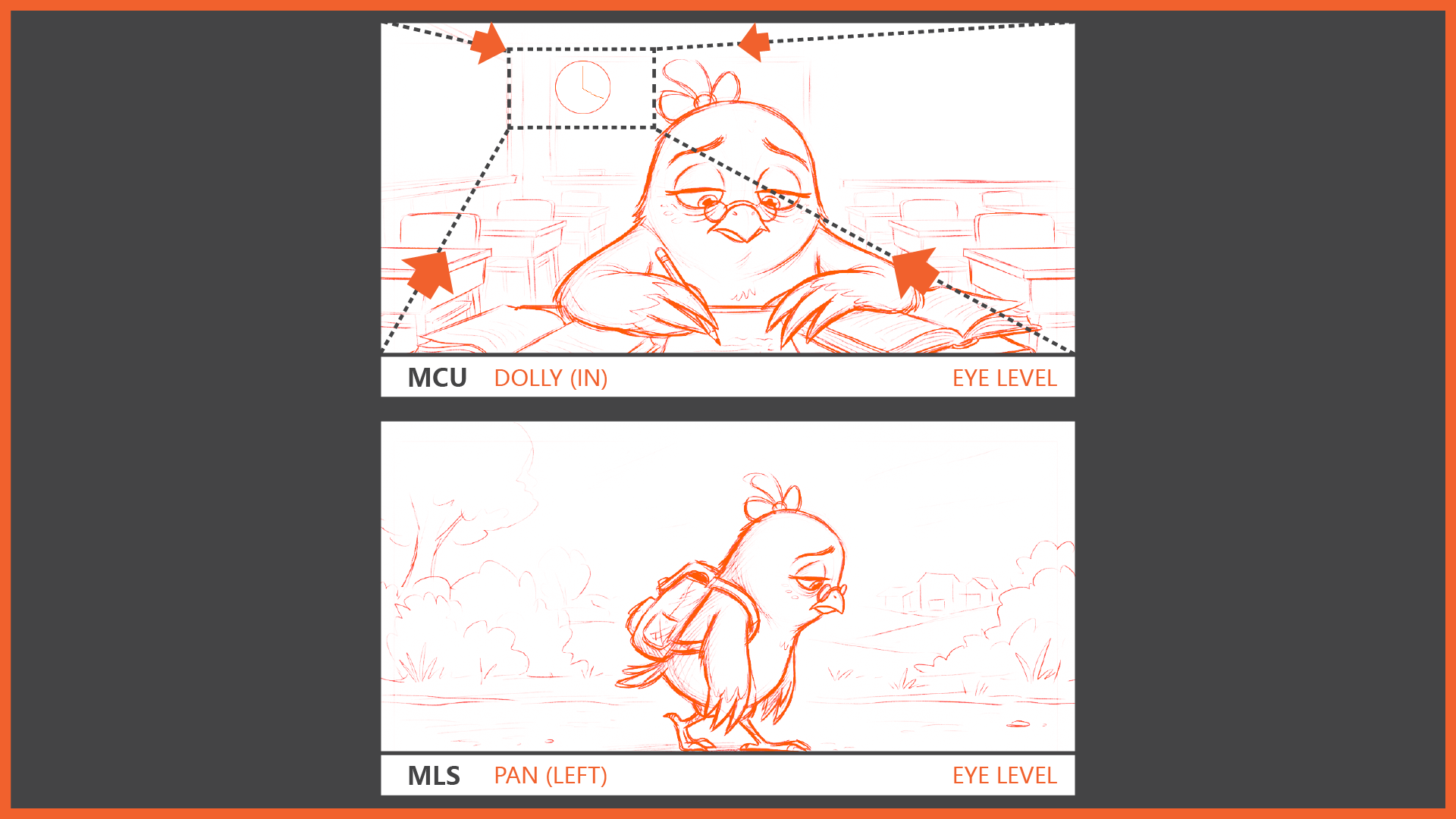
Step 3: Pitching the Story
For the pitching stage, I used the SWBST structure to communicate the story clearly.
a) Somebody: A bored bird student in a classroom
b) Wanted: To escape and experience freedom outside the classroom
c) But: The tutor increases workload and assigns flooding tasks
d) So: The bird is forced to remain in class and continue work
e) Then: The idea of escape remains unresolved but drives the emotional tone of the story
This exercise helped me understand how structured prompts and narrative frameworks shape storytelling clarity. I learned that even simple objects and actions can create strong narrative direction when combined with clear emotional intent and structured pitching formats.
Step 5: Receiving the Feedback
After submitting my animation, I received good feedback from Professor Ting that:
“Your focal length changes are too frequent and reduce visual stability. Camera movement must feel controlled rather than experimental within a single sequence.”
“Avoid inconsistency between static and moving shots within the same scene, which disrupted flow”
I understood from this that cinematography requires restraint as much as variation. I revised my approach to separate static compositions from dynamic shots more clearly. I focused on building a clearer logic between focal changes and narrative intention.