

In Week 10, of Design for Animation, Narrative Structures, and Film Language with Professor Nigel Mairs, the focus moved towards developing a clear research outline and identifying suitable case studies. This week was essential in shaping the practical structure of my critical report.
I finalised the decision to divide my case studies into Indian animation and Western animation, as this allowed for a meaningful comparative analysis. Indian animation was selected to examine internal societal critique, governance issues, and inequality, while Western animation was chosen to analyse satire, ideological bias, and selective political criticism.
For Indian animation, I selected:
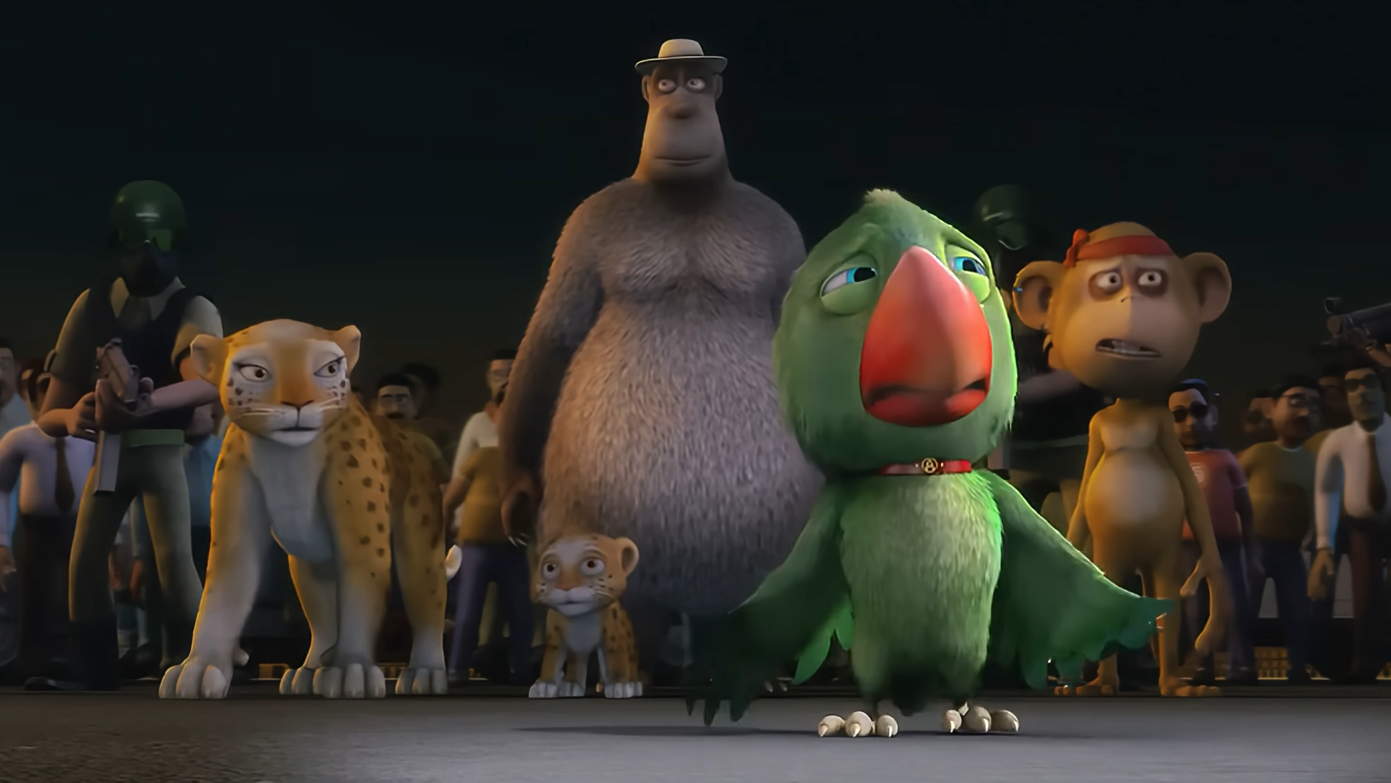
a) Delhi Safari
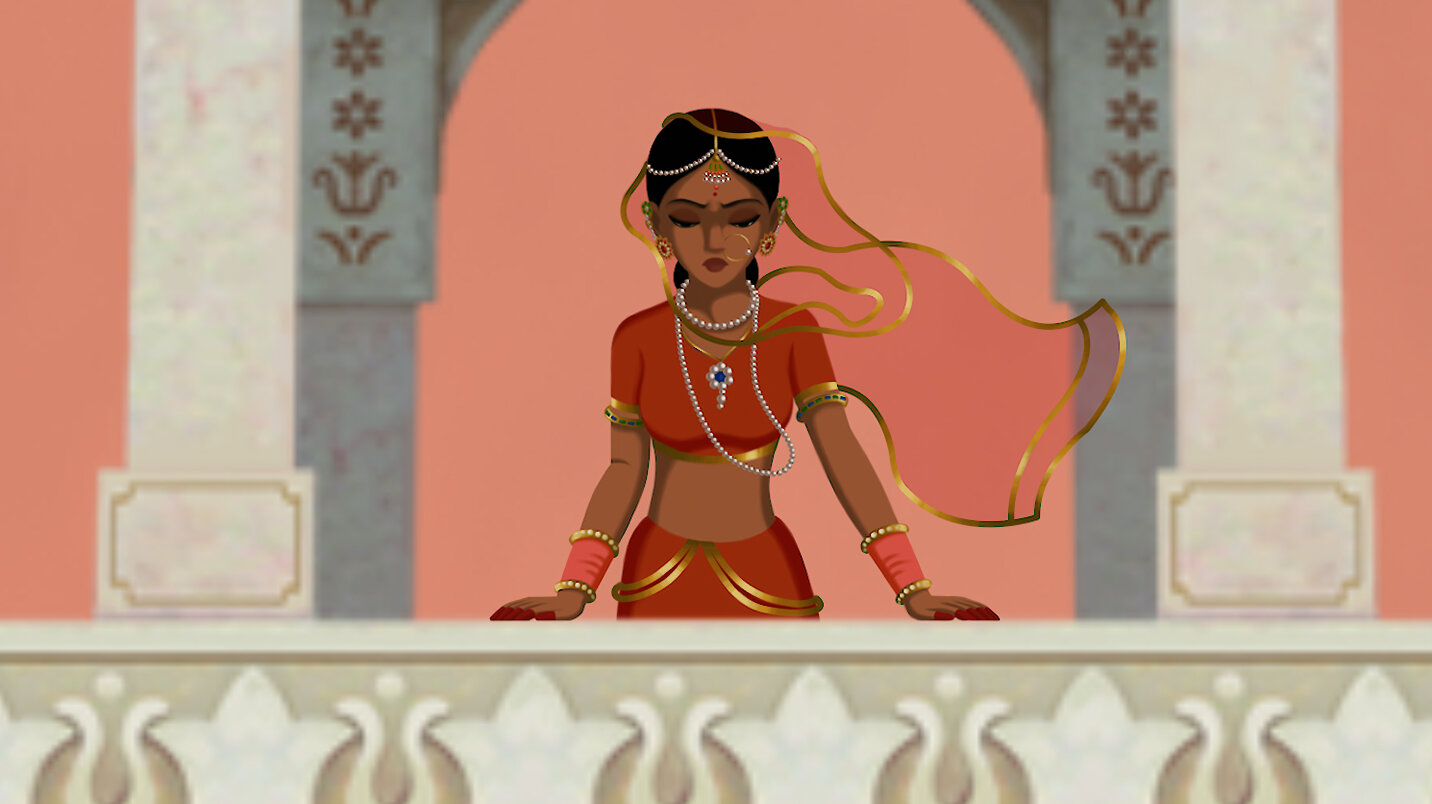
b) Bombay Rose
c) Motu Patlu
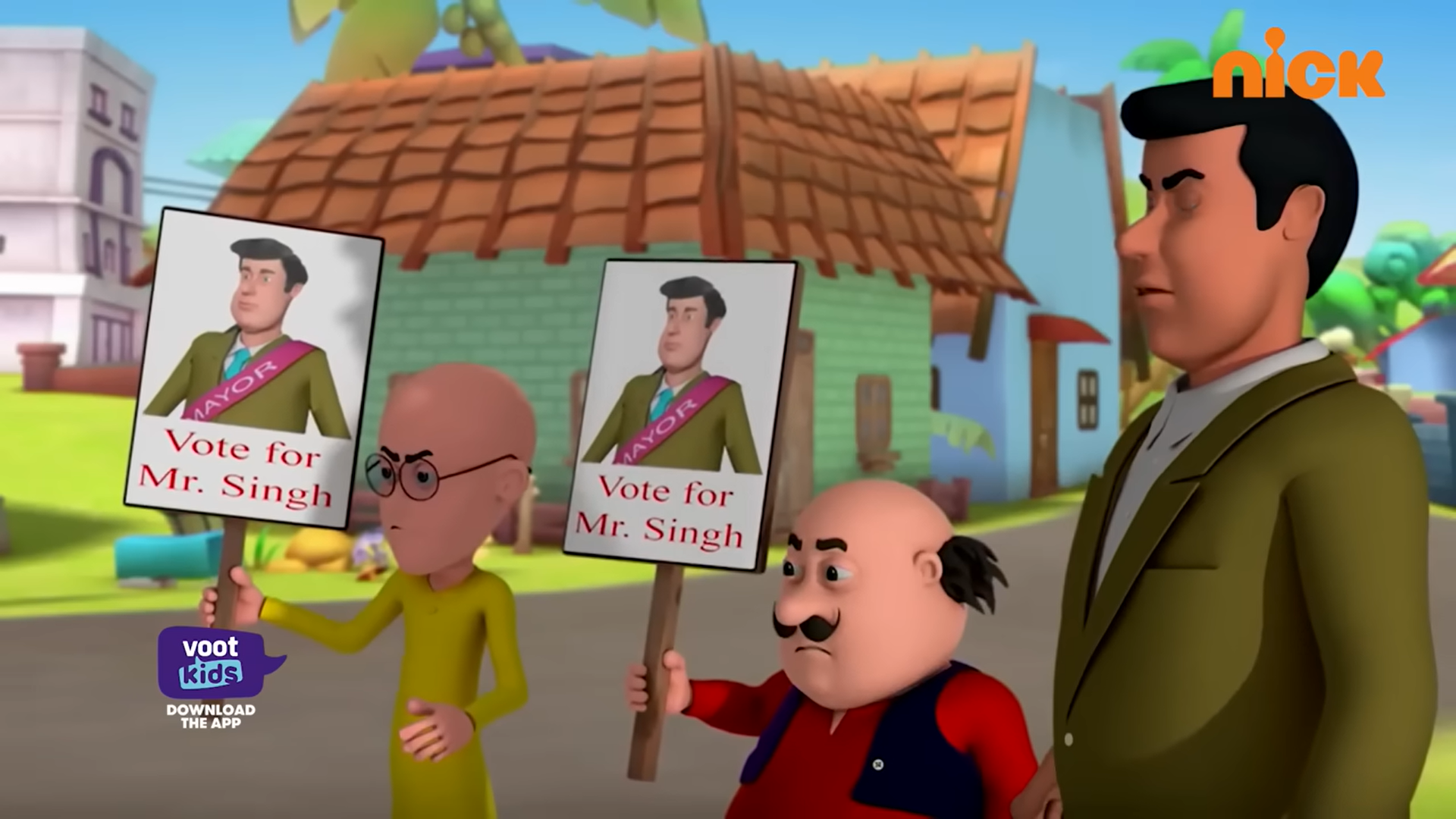
These works engage with social realities, class divide, and civic normalisation without overt political messaging. Their indirect storytelling methods made them relevant to my research focus on subtle ideology.
For Western animation, I selected:
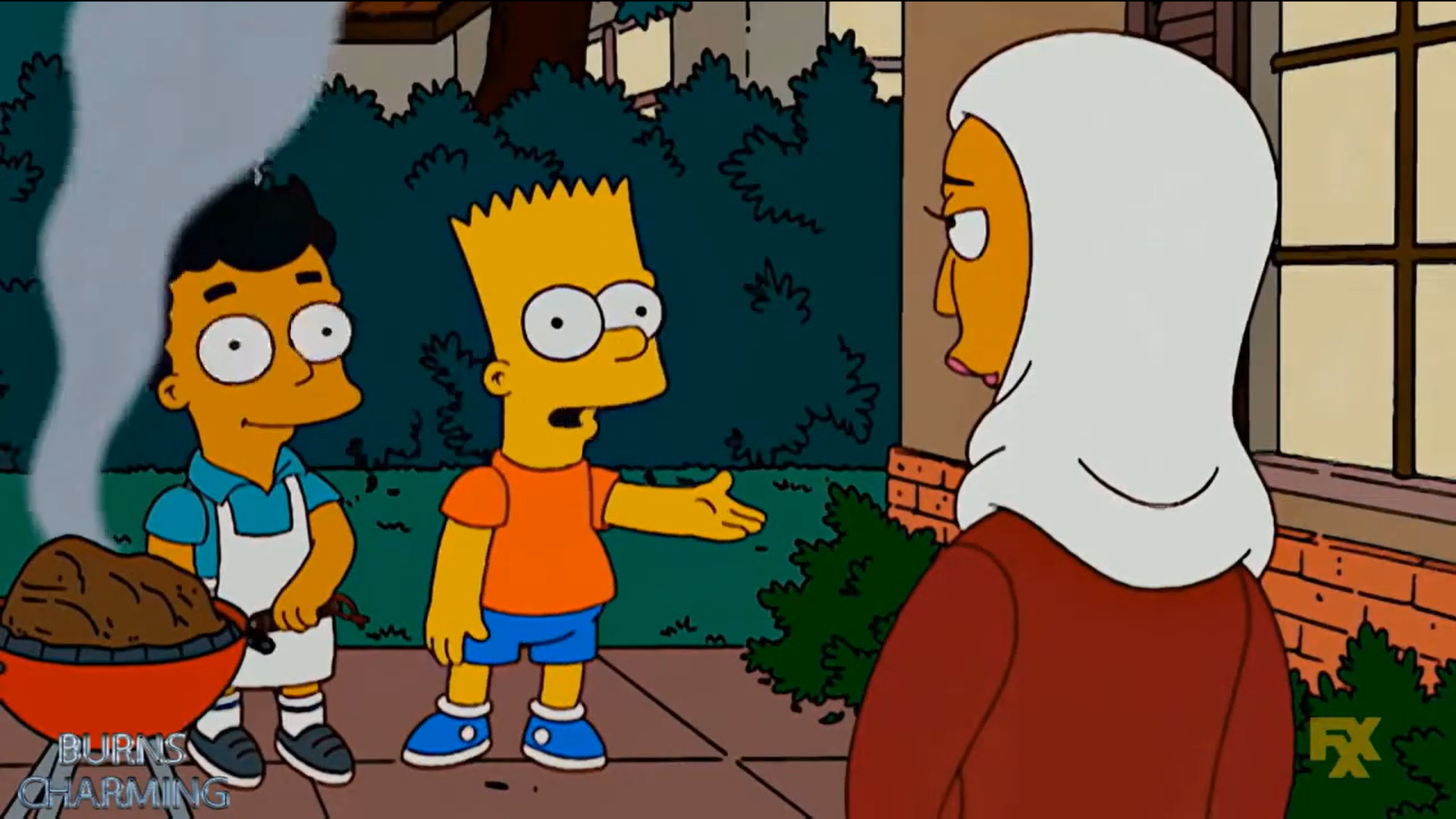
a) The Simpsons
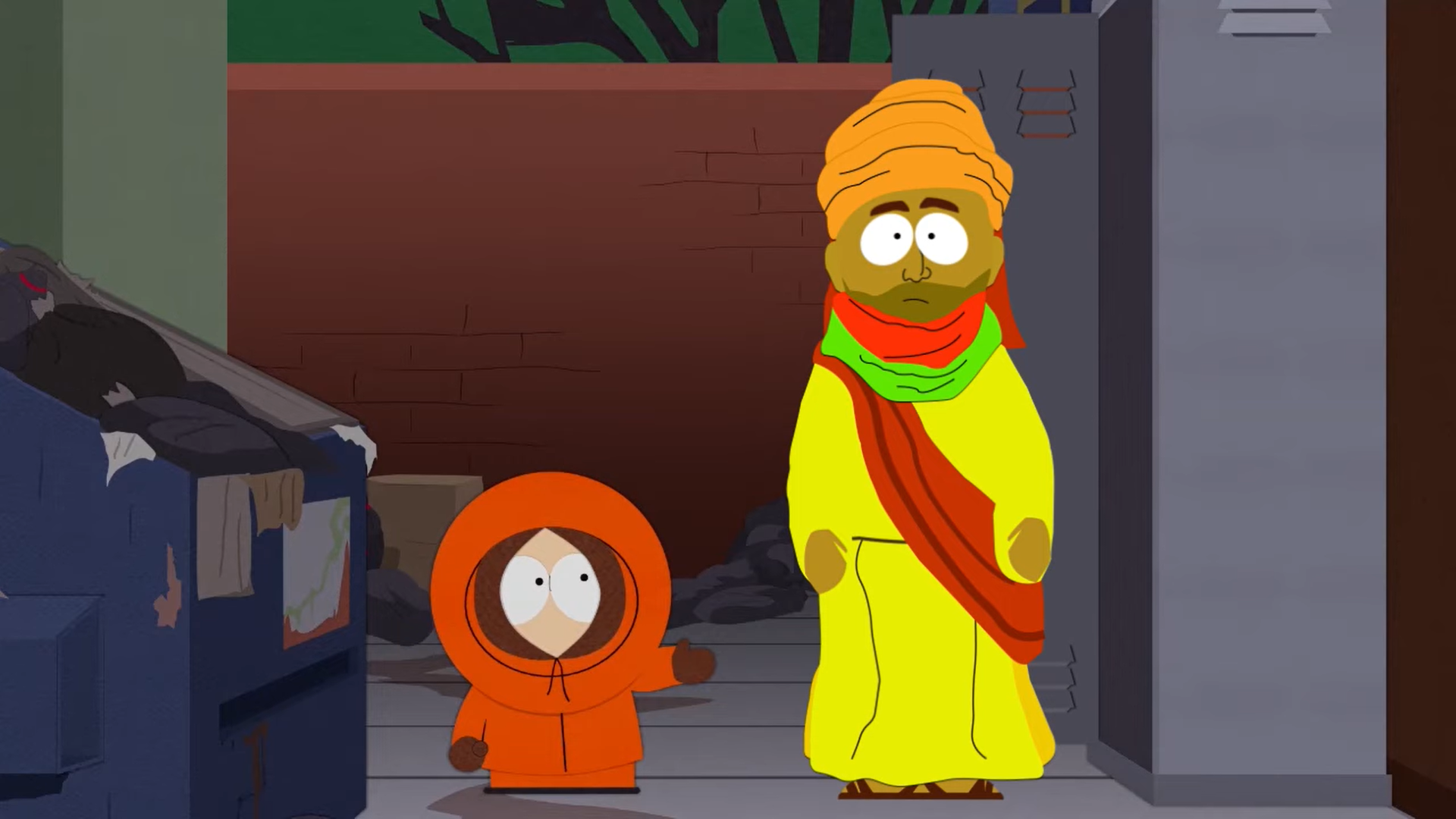
b) South Park
c) Archer
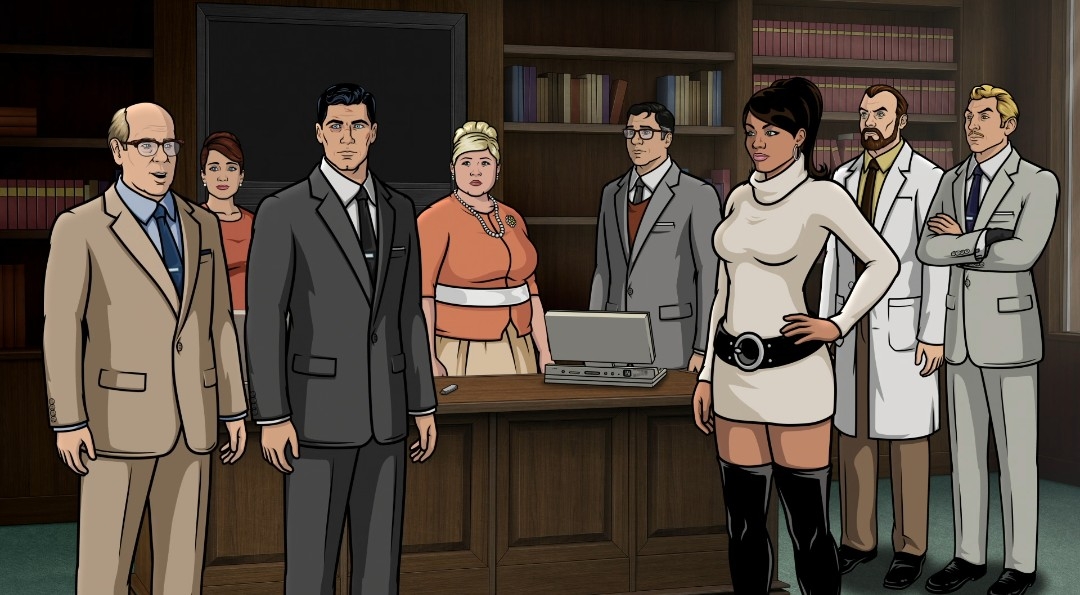
These series openly use satire to engage with politics and religion, making them ideal for analysing how humour can function as both critique and protection.
This week also involved critical exclusion. Animations such as:
a) Love, Death & Robots,

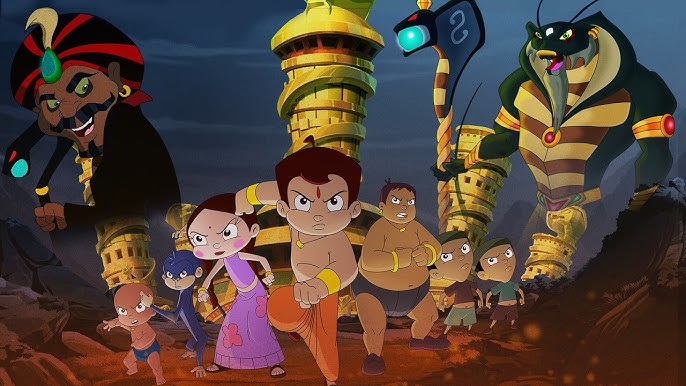
b) Chhota Bheem
c) Bal Hanuman
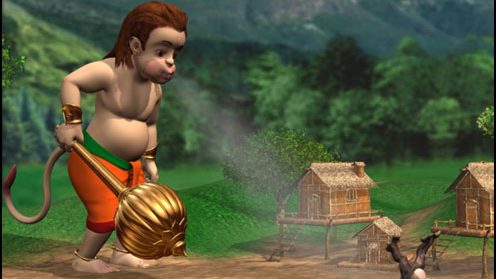
These were reviewed but excluded due to limited or inconsistent political framing. Excluding these works strengthened the clarity and focus of my research.
By the end of Week 10, I had a complete outline, defined case studies, and a clear understanding of how each example supported my research objective.