
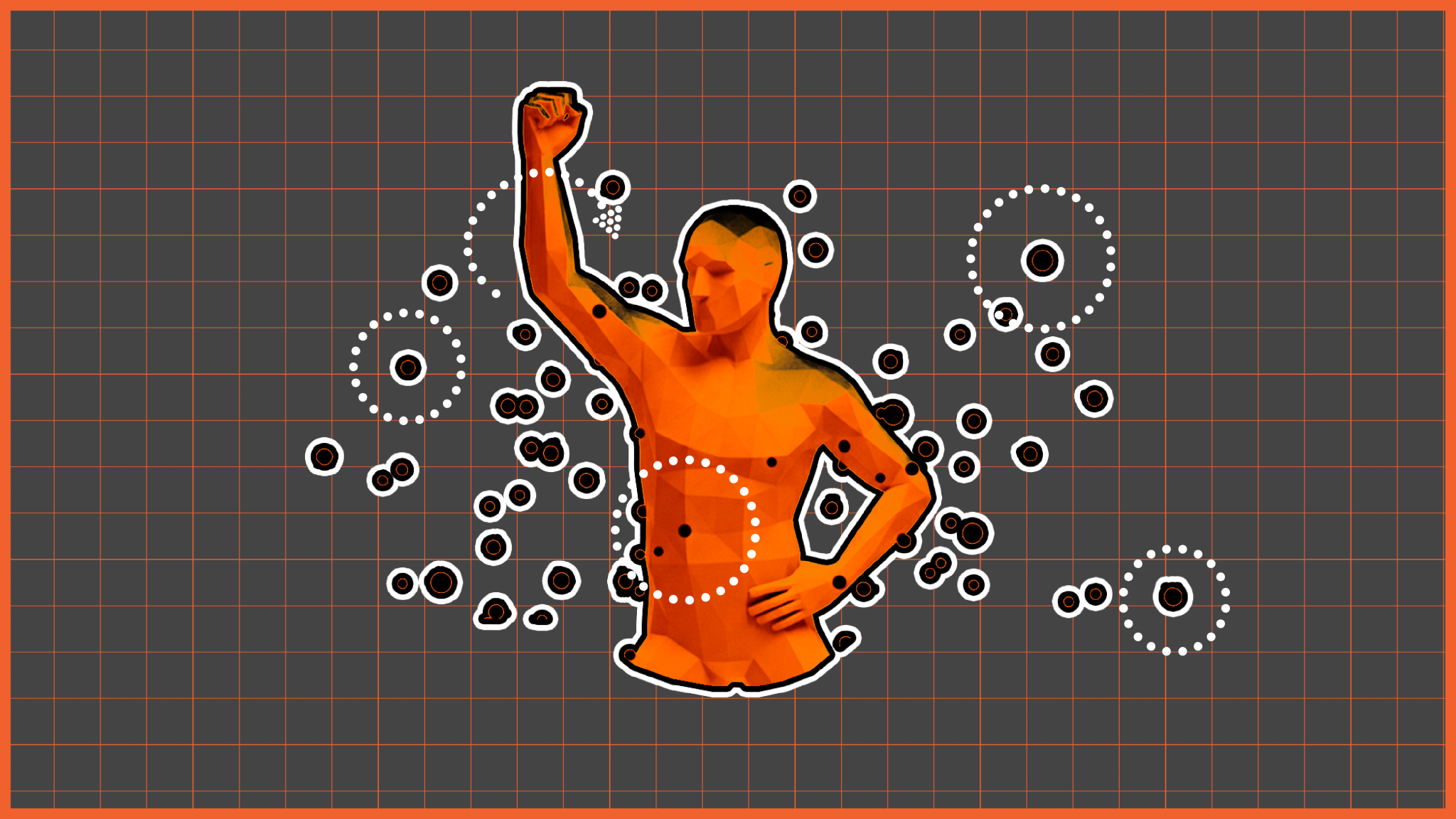
In Week 04, of Design for Animation, Narrative Structures, and Film Language with Professor Nigel Mairs, the class focused on experimental animation, particularly formative and conceptual abstraction. This session moved away from conventional storytelling and instead explored how animation can exist without characters, dialogue, or narrative structure. The emphasis was on understanding animation as a visual and sensory experience built through shape, movement, colour, rhythm, and sound. During the lecture, we watched several experimental short films that prioritised abstraction over representation. These works did not attempt to tell a story in the traditional sense but instead explored how visual elements interact over time. Some animations were created using cameraless filmmaking techniques, where artists worked directly onto film stock using paint, ink, or scratching. This approach challenged my assumptions about how animation is produced and what tools are necessary to create meaningful work.
One of the key ideas discussed was how early experimental animators saw film as a space for artistic exploration rather than entertainment. Instead of using animation to imitate reality, they used it to break away from it. Through repetition, timing, and visual rhythm, these artists were able to communicate emotion and energy without relying on recognisable figures or linear plots. I found it interesting how abstract animation can still hold meaning, even when it is not immediately obvious or literal.
Professor Nigel also highlighted how sound plays a crucial role in abstract animation. In many of the examples we studied, visuals were closely synchronised with music or rhythm, creating a strong sensory relationship between what we see and what we hear. This made me realise that animation can function similarly to music, where structure, tempo, and variation guide the audience’s experience rather than narrative progression.
Overall, Week 04 expanded my understanding of what animation can be. It showed me that animation does not always need characters, dialogue, or a clear storyline to communicate ideas. This session encouraged me to think more critically about form, rhythm, and visual structure, and how these elements alone can carry meaning. It also made me more aware of how experimentation in animation continues to influence contemporary practices and creative approaches today.